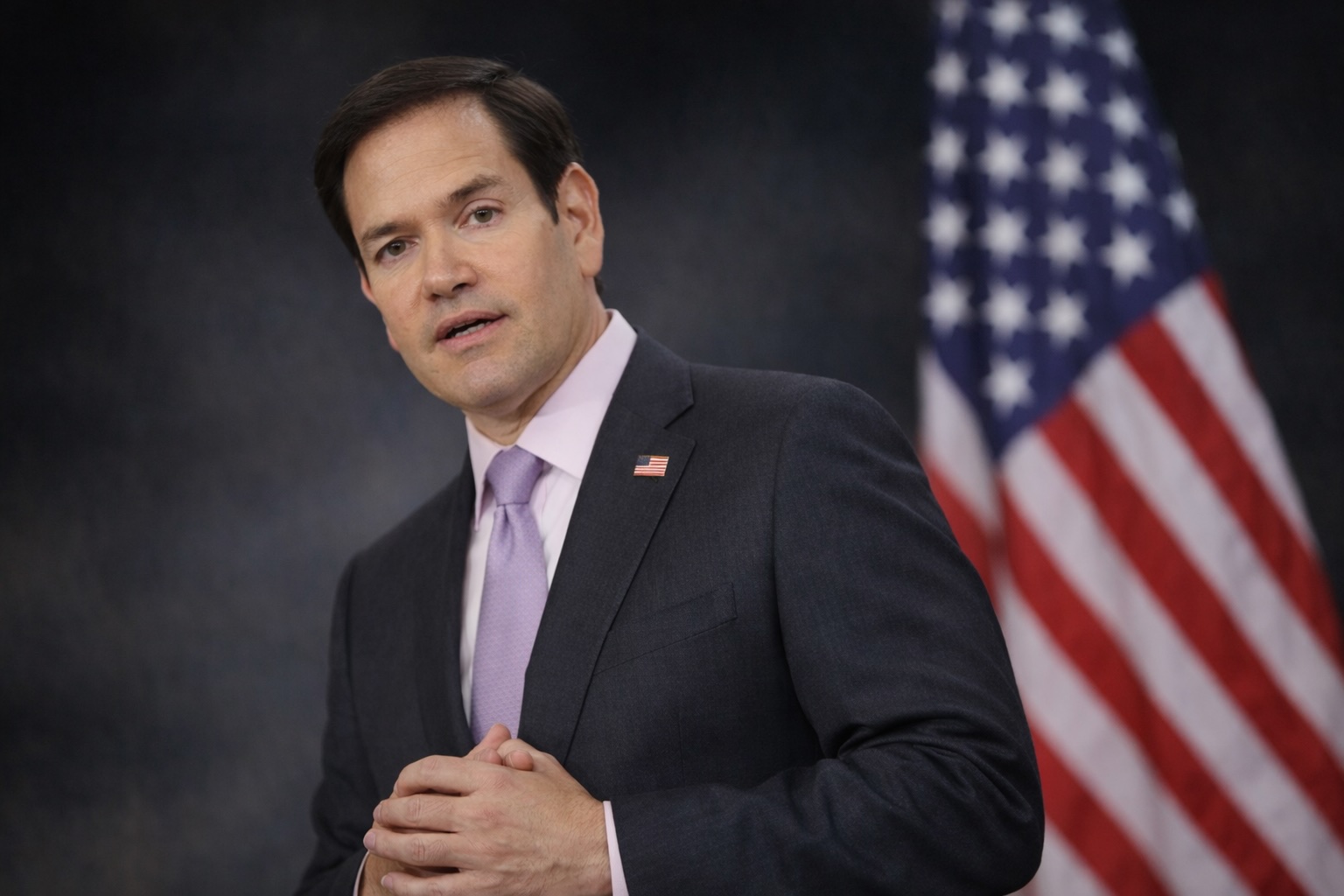
US Secretary of State Marco Rubio has vigorously defended the United States’ removal of Venezuelan President Nicolás Maduro, telling leaders of the Caribbean Community (CARICOM) that Washington’s controversial military operation has been positive for Venezuela, even as many regional governments express unease over broader Trump administration policies. Rubio’s remarks, delivered at a summit in Basseterre, St Kitts and Nevis, underscore deep divisions in geopolitics across the Western Hemisphere and raise questions about Caribbean-US relations going into 2026.
Rubio’s Message to Caribbean Leaders
Speaking to the 15-member CARICOM bloc, Rubio insisted that Venezuela was in a better position than it had been eight weeks earlier, shortly after the January operation that saw Maduro seized and transported to the United States to face drug-trafficking charges. He argued that interim authorities in Caracas had made “substantial” progress on reforms that would have been “unimaginable” under Maduro’s leadership, particularly in opening up the country’s oil sector and confronting entrenched corruption.
Rubio’s comments came in a closed-door meeting, later distributed by the US State Department during which he stressed that the United States sought stronger economic and security cooperation with Caribbean nations, downplaying any perception of antagonism. “Irrespective of how some of you may have individually felt about our operations and our policy toward Venezuela, I will tell you this without any apology or apprehension: Venezuela is better off today than it was eight weeks ago,” he said.
Alongside Venezuela, Rubio addressed other regional flashpoints, placing emphasis on combating transnational crime, drug trafficking and organised criminal networks which are issues that have long plagued Caribbean states and for which the US seeks tactical cooperation.
Regional Unease and Divergent View
Despite Rubio’s assurances, many Caribbean leaders remain unsettled by the Trump administration’s recent assertive foreign policy, which has included aggressive actions in the Caribbean Sea against suspected drug smuggling vessels, tightening sanctions on Cuba and shifting focus back to hemispheric dominance. Several governments have voiced worries that US tactics, particularly in Cuba and in demanding that states align diplomatically with Washington, could exacerbate regional instability rather than resolve it.
In public remarks, Terrance Drew, Prime Minister of St Kitts and Nevis and CARICOM chair, said the region “stands at a decisive hour” as global geostrategic dynamics shift. Andrew Holness, Prime Minister of Jamaica, warned that a prolonged crisis in Cuba, closely linked to Venezuela through decades of political and economic ties which could have broader implications for migration, security and economic stability across the Caribbean basin.
Rubio’s attempt to placate concerns was mirrored by a slight easing of restrictions by the US Treasury Department on the sale of Venezuelan oil to Cuba, allowing limited, non-governmental sales to alleviate some pressure from Cuba’s energy shortages. However, this sort of incremental concession has done little to dispel broader unease among some fractured CARICOM members over Washington’s broader strategic posture.
US Strategy and Venezuela’s Future
Rubio’s rhetoric reflects a broader Trump administration strategy aimed at reasserting US influence in the Western Hemisphere, which the White House has framed as a modern reimagining of the Monroe Doctrine. While Trump himself has repeatedly highlighted the ousting of Maduro as a “colossal victory” in his public speeches, Rubio has sought to take a more nuanced line, suggesting that Washington will continue an “oil quarantine” to maintain leverage over Caracas and push for political and economic changes without direct governance of Venezuela’s day-to-day affairs.
The US position is that Maduro represented both a narcotrafficking threat and a destabilising force in the region, accusations reflected in official Washington rhetoric and policy choices. US officials have also designated the Cartel de los Soles, allegedly linked to Maduro, as a foreign terrorist organisation, an assertion designed to justify broader action against Venezuelan networks perceived as harmful.
Yet, despite this framing, Washington insists it has no intention of a long-term military occupation in Venezuela. In congressional testimony earlier in 2026, Rubio told US senators that the administration did not expect further military action in Venezuela “at any time,” while emphasising continuing support for a transition to democratic governance and fair elections under interim authorities.
Wider Caribbean Implications
For countries like Guyana, which shares a border with Venezuela and has experienced rapid energy-sector growth in recent years, the geopolitical ripple effects are significant. Guyanese officials have attended regional meetings with an eye on both security concerns and energy cooperation. Greater US influence in neighbouring Venezuela may bring opportunities, particularly in stabilising shared borders and securing energy infrastructure, but it also heightens geopolitical tension that could spill into disputes over maritime zones and investment in offshore oil.
Across the Caribbean, many small island states juggle competing pressures: the need for strong security and economic partnerships, anxiety over US expectations on foreign policy alignments, and concerns about sovereignty and regional cohesion. The lack of a unified CARICOM foreign policy platform means individual states are navigating Washington’s overtures independently, sometimes taking opposing stances even within the same summit.
Cooperation Amid Unease
Marco Rubio’s defence of US actions in Venezuela, pitched as a stabilising force and opportunity for deeper cooperation, reveals the complex diplomatic landscape in the Caribbean as 2026 unfolds. While the United States seeks to reassert leadership and counter perceived threats, Caribbean nations are evaluating how best to balance their own regional interests, economic security and international relations. Whether Washington’s approach will yield long-term stability or strain partnerships further remains an open question — one that will shape hemispheric politics well beyond this year’s leadership summits.

.jpg)