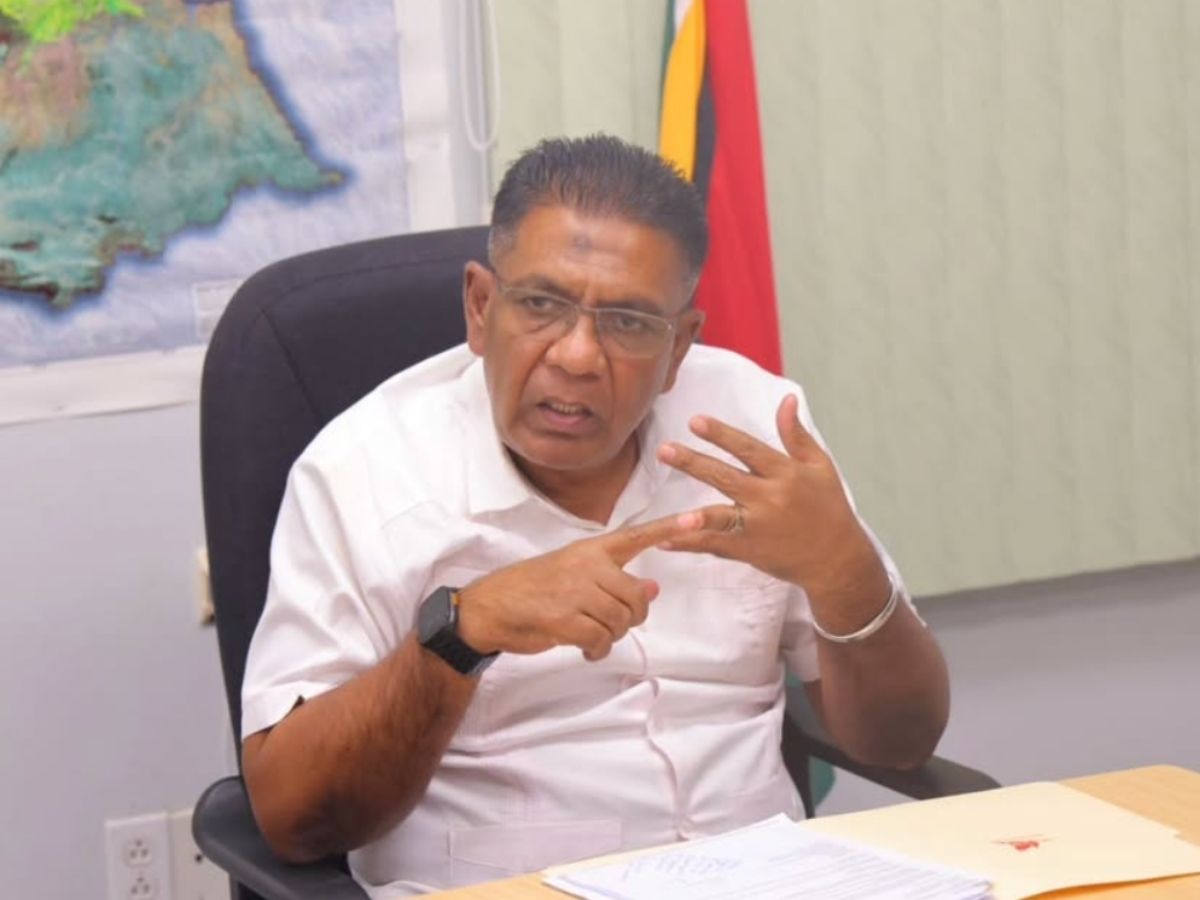
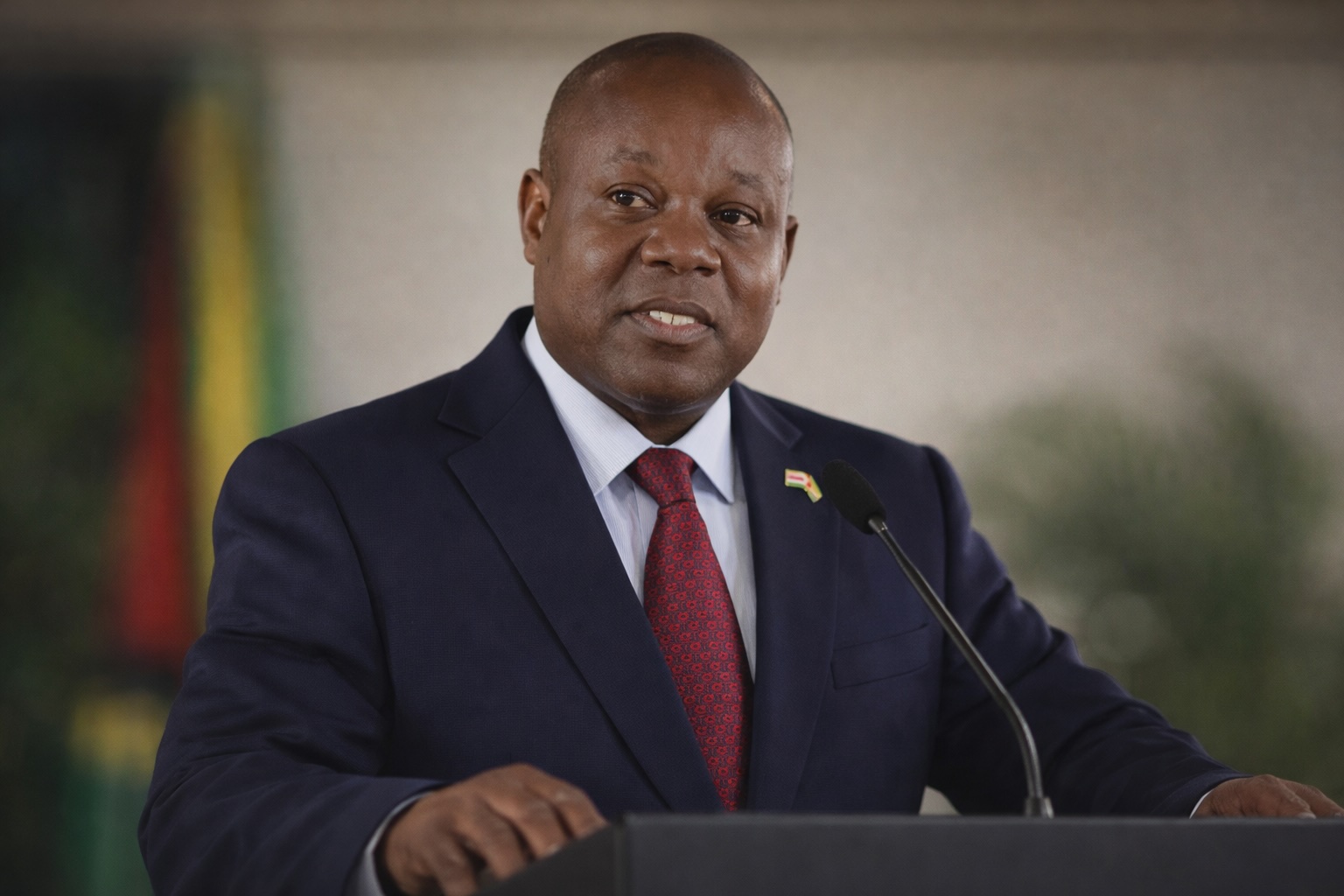
Recent remarks by Aubrey Norton have intensified debate over Guyana’s foreign policy stance towards Cuba, particularly in the context of shifting regional alliances and pressure from the United States.
Norton, leader of the People’s National Congress Reform (PNCR), has argued that the government failed to adequately safeguard national interests when addressing concerns raised by Washington over Cuba’s medical missions. He contends that the issue should have been treated as a complex foreign policy matter requiring negotiation, rather than resulting in the discontinuation of long-standing cooperation programmes.
According to Norton, the government’s approach reflects a broader shift in diplomatic alignment following high-level engagements between President Irfaan Ali and senior U.S. officials, including former President Donald Trump.
Cuban medical partnership under scrutiny
Central to the controversy is the termination of Guyana’s participation in Cuba’s long-standing medical cooperation programme. For decades, Cuban doctors and healthcare professionals have supported Guyana’s public health system, particularly in underserved areas.
The United States has criticised the programme, alleging that Cuban medical personnel are subject to exploitative conditions, with a significant portion of their earnings retained by the Cuban government. Washington reportedly warned Caribbean states that continued participation could result in visa restrictions for officials and their families.
In response, Guyana opted to end the programme and instead pursue direct hiring arrangements with Cuban professionals. However, Norton maintains that the administration missed an opportunity to negotiate improved conditions while preserving access to Cuban expertise. He has argued that “there is a failure… to engage, negotiate and protect our interests,” emphasising the continued importance of Cuban support to the national healthcare system.
Historical ties and regional solidarity
Guyana’s relationship with Cuba dates back to 1972, when several Caribbean nations established diplomatic ties with Havana despite geopolitical tensions during the Cold War. Over the decades, Cuba has provided not only medical personnel but also scholarships and technical assistance across the Caribbean. Norton has framed this history as creating a “moral obligation” for Guyana to maintain solidarity with Cuba, particularly in light of ongoing U.S. sanctions against the island.
He also warned that abandoning such partnerships could weaken regional cohesion among small states, which often rely on mutual support in navigating global power dynamics. At the same time, Norton has stressed that supporting Cuba should not be interpreted as opposition to the United States, noting that Guyana continues to value U.S. backing in areas such as its territorial controversy with Venezuela.
Broader implications for foreign policy
The dispute highlights a broader tension in Guyana’s foreign policy: balancing strategic relations with major powers while maintaining long-standing regional partnerships. President Ali has indicated agreement with the U.S. position that the “status quo” in Cuba should change, reflecting a shift in tone from previous Caribbean Community (CARICOM) statements that criticised the U.S. embargo.
Norton, however, cautions that aligning too closely with external pressures may have long-term consequences. He argues that foreign policy should be structured to withstand political changes in major partner countries, noting that U.S. administrations and priorities can shift over time. Ultimately, the debate underscores the challenges faced by small states like Guyana in navigating competing international interests. As geopolitical dynamics evolve in 2026, the government’s approach to Cuba may continue to serve as a key test of its diplomatic strategy and commitment to balancing pragmatism with principle.

.jpg)