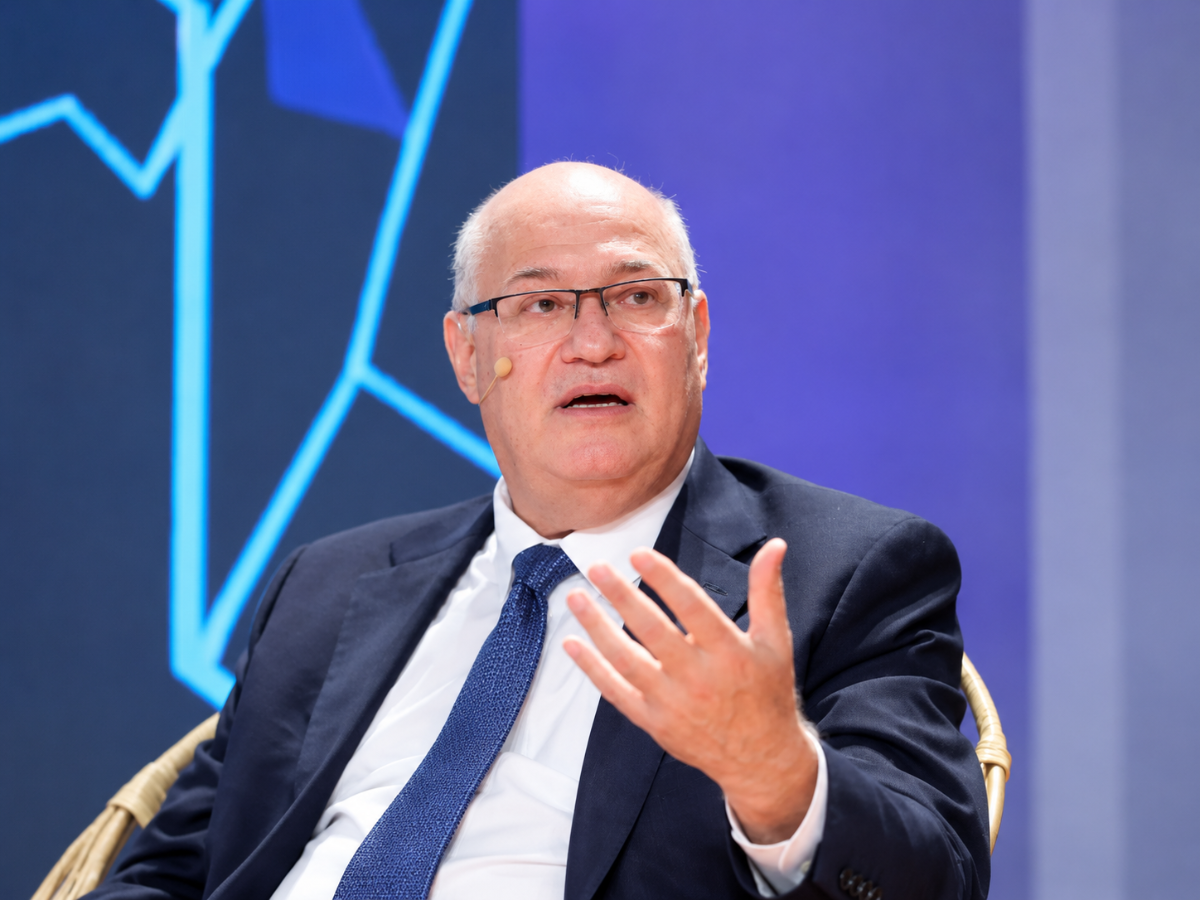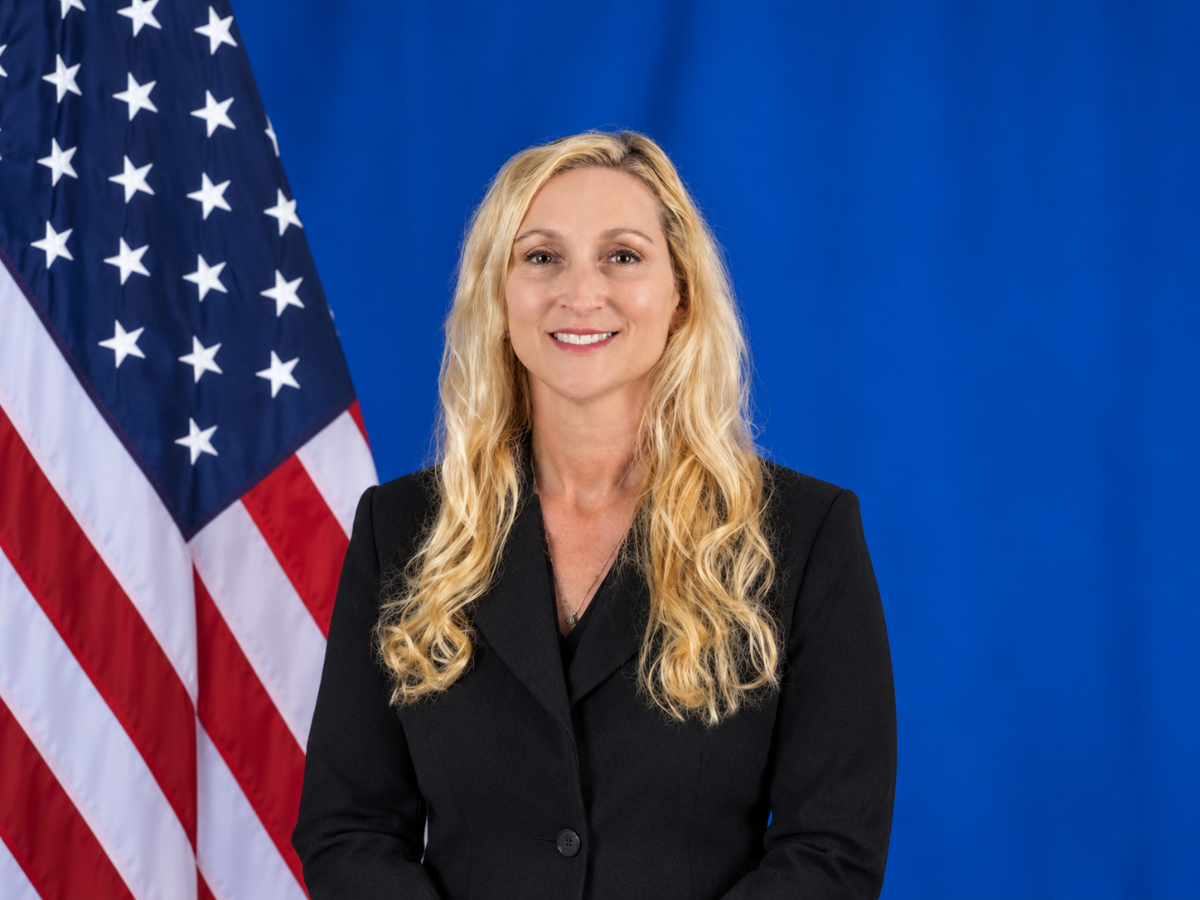
Guyanese businesses must make their production more consistent and satisfy US regulatory requirements if they want to raise exports, the Minister of Tourism, Industry and Commerce, Susan Rodrigues, and the US Ambassador to Guyana, Nicole Theriot, told a business luncheon on Tuesday. The Guyana Manufacturing and Services Association (GMSA) held the event at the Guyana Marriott Hotel in Georgetown under the theme "Building the Bridge: Local Capacity, Global Partnership".
Ms Rodrigues drew a line between approval by national standards bodies and acceptance in a foreign market. A product that meets Guyana's own requirements may still be refused abroad, she said, because each importing country sets its own conditions. Exporters need to supply consistent volumes, price for the market they are targeting, standardise their products and fulfil orders reliably. She described regulatory compliance as a capital investment that pays back through long-term growth.
Ambassador Theriot turned to the United States specifically. American import rules depend on the product, she said, and food safety frameworks sit at the centre of many of them. Seafood processors, for example, must operate under Hazard Analysis and Critical Control Point (HACCP) systems, which have been a mandatory requirement for fish exports to the US since 1997.
She cited catfish as a practical illustration. Under US rules that took full effect in September 2017, catfish and other fish of the order Siluriformes fall under the Food Safety and Inspection Service of the US Department of Agriculture, which inspects processing plants and assesses the systems of exporting countries. Guyanese catfish exports have remained restricted, and Ms Theriot pointed to the multi-year discussions on the issue as an example of how technical requirements can delay market access even where both governments want trade to proceed.
Her advice to local firms was practical. Producers should consult the relevant US regulatory agencies early in their planning, and the US Embassy's Commercial Department can direct them to the right contacts. Waiting until a product is ready for shipment, she suggested, leaves too little time to correct problems that regulators may identify.
The ambassador said the embassy regularly hears from American companies that want to enter the Guyanese market. Difficulty in finding capable local suppliers may limit how much they buy in the country. She named agro-processing, agricultural technology and cold-chain logistics among the sectors with potential for US investment, alongside infrastructure, healthcare, housing and digital technology.
Partnerships with US firms, Ms Theriot said, could give Guyanese businesses production technology, worker and management training, quality-control systems and introductions to overseas customers. A joint venture with an American partner can also help a local company work through compliance requirements and reduce the risk of entering a new market, she added. The embassy has recently launched a franchising initiative aimed at supporting local businesses.
Both speakers linked rising foreign interest to conditions at home. Macroeconomic stability and security have improved investor confidence in Guyana, according to the account of the discussion provided, and that confidence has brought American companies to the country. Some of those companies have contributed to workforce development through technical training and local employment.
The GMSA represents manufacturers and service providers, and its members are the firms most directly affected by the standards the two officials described. Neither speaker offered a timetable for resolving the catfish restrictions. Nor was there any figure for how many Guyanese firms currently meet US requirements, so the size of the gap between local capacity and American expectations remains unquantified in the remarks reported.
The message to members was consistent across both addresses. Approval at home opens the domestic market. Entry to the US requires each producer to satisfy the rules for its own product, and the officials urged firms to start that process before seeking buyers.