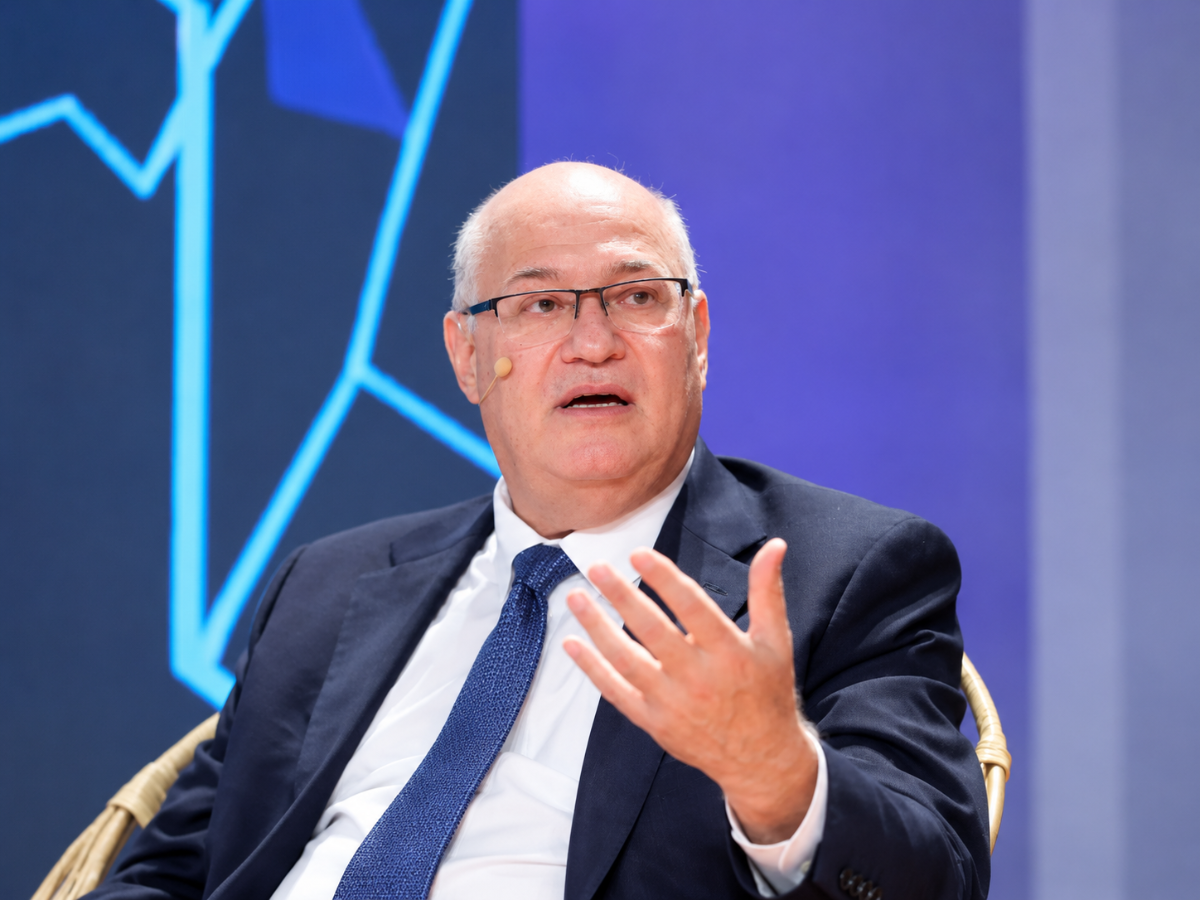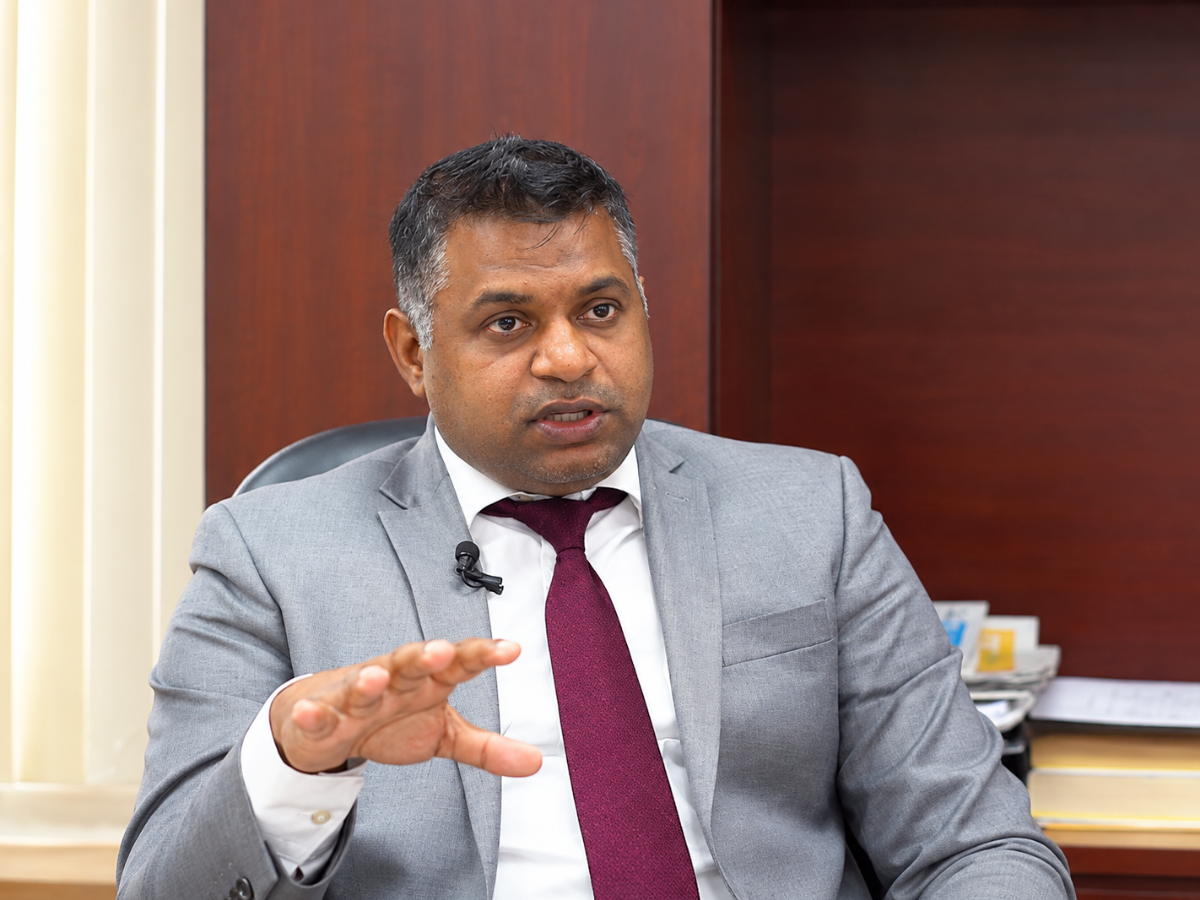
Guyana has been appointed to the International Civil Aviation Organisation's Air Transport Regulation Panel, a development that officials in Georgetown are describing as a significant marker for the country's aviation sector. The appointment took effect in late July 2026 and places Guyana among a small group of states whose technical experts help draft and refine the economic and legal rules governing international air travel.
The panel, known as the ATRP, sits within ICAO's broader regulatory architecture and deals with matters ranging from market access to the legal frameworks that underpin cross-border aviation agreements. Membership is limited, and seats are allocated to reflect a mix of regional representation and technical expertise.
Dr Saheed Sulaman, Deputy Director General of the Guyana Civil Aviation Authority, has been named as the country's representative on the panel. He arrives with a background that extends well beyond his current post at the GCAA. He serves as an ICAO Global Ambassador, chairs the Association of Caribbean States' Special Committee on Transport, and has been involved in aviation negotiating teams on behalf of CARICOM. His work on the ATRP will focus on policy that supports global connectivity and coordinated approaches to industry challenges.
The appointment does not sit in isolation. It aligns with the government's ten pillar National Aviation Policy, an initiative associated with President Dr Mohamed Irfaan Ali that sets out plans to position Guyana as a regional aviation hub. That policy places considerable weight on infrastructure development and on expanding the country's international air links, and the ATRP seat gives Guyana a channel through which to advance those aims at the regulatory level rather than only through domestic investment.
Officials have been keen to present the appointment as the outcome of sustained effort rather than a sudden or isolated achievement. According to GCAA leadership, Guyana first applied for a seat on the ATRP in 2019. The gap between that initial application and the eventual appointment, they say, makes the outcome more significant, since it reflects years of continued engagement with ICAO rather than a one-off diplomatic success. The delay itself has not been explained in detail, though panel appointments at ICAO typically depend on rotating vacancies and competition among member states seeking the same limited seats.
The Ministry of Public Utilities and Aviation has taken a similar line, attributing the appointment to what it describes as deliberate government investment in the aviation sector over recent years. Ministry officials point to Guyana's growing presence on international boards and panels as evidence of a broader pattern of development taking place across the country's aviation industry, including airport upgrades and expanded route networks.
Whether the appointment translates into tangible influence will depend on how actively Guyana's representative engages with the panel's ongoing work programme. ATRP decisions are made collectively among member representatives, and a single seat, while valuable, does not guarantee particular outcomes on any given policy question. Even so, having a seat at the table changes the nature of a country's participation. Guyana moves from a position of responding to international aviation rules set elsewhere to one of contributing directly to how those rules are written.
For a country actively pursuing hub status within the Caribbean and wider region, that shift carries practical weight. Air transport agreements, market access negotiations and connectivity arrangements are all areas where technical input at the ICAO level can shape terms before they reach the negotiating table between individual states. Guyana's presence on the ATRP gives it earlier visibility into these discussions and, officials hope, a stronger position from which to pursue the connectivity goals set out in its national aviation policy.
The coming months will offer the first indications of how the appointment is used in practice, as the panel continues its work on the regulatory questions currently before it.