Guyana is seeking to expand its economic partnership with China into non-oil sectors, focusing on modern infrastructure, urban planning, agriculture and ocean management. The move was outlined by Prime Minister Mark Phillips in official statements marking a new phase in bilateral relations between the two countries.
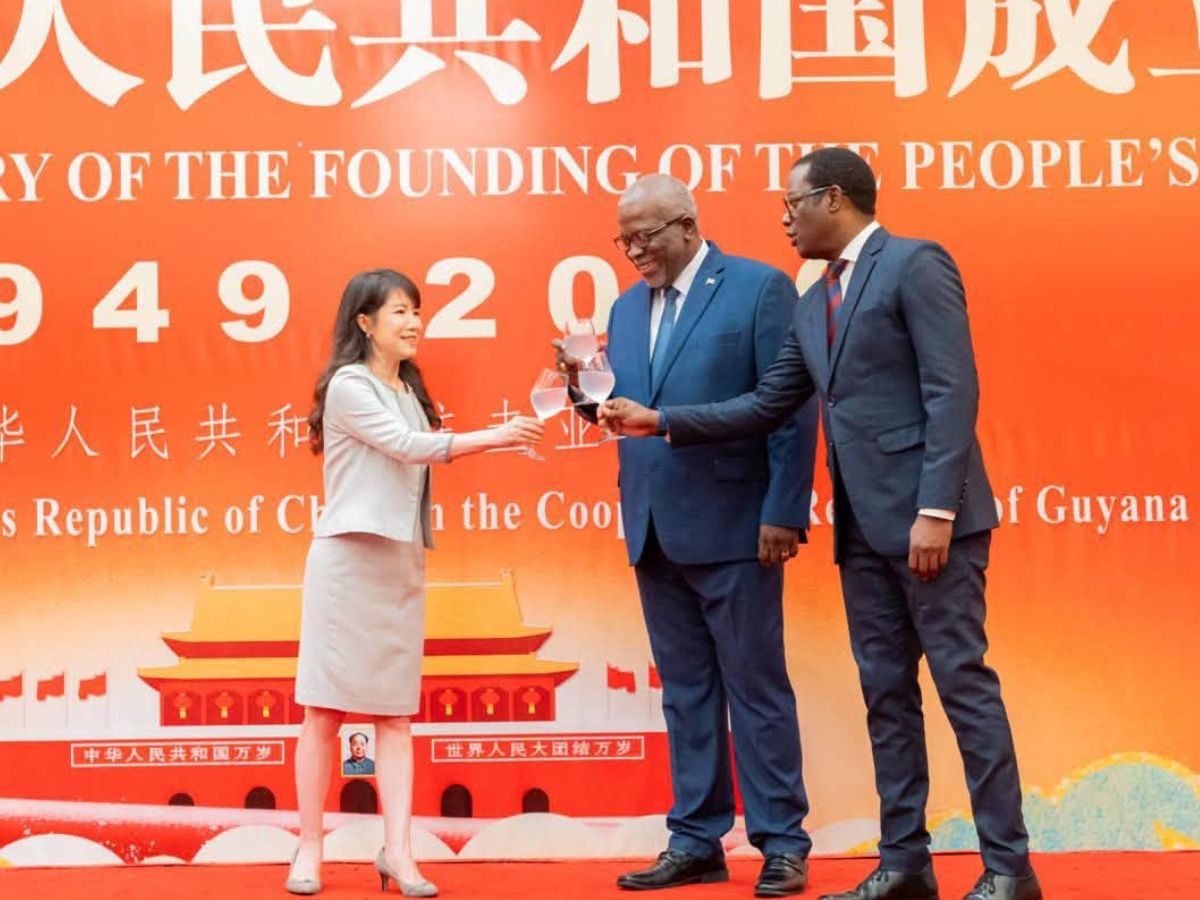
Phillips made the remarks at a diplomatic reception held to mark the 77th anniversary of the founding of the People's Republic of China. In his address, he set out a strategy that would see Guyana use its current oil revenues to build a more diversified and climate-resilient economy over the coming years.
The Prime Minister identified sustainable urban infrastructure as one of three priority areas for expanded cooperation. Guyana intends to draw on Chinese capabilities in renewable energy, modern transport networks and smart city planning, with the stated aim of developing cleaner and more climate-resilient communities across the country. Officials have not yet specified which cities or regions would be first to benefit from such projects.
Agricultural development and food security form a second strand of the proposed partnership. Guyana is looking to Chinese expertise in agricultural science, mechanisation, irrigation and processing to make fuller use of its land and water resources. The country has considerable agricultural potential that successive governments have sought to develop, and closer cooperation with China could bring access to technology and methods not currently in widespread use domestically.
A third area concerns maritime and marine science. Guyana has proposed joint initiatives between its own institutions and Chinese research centres, with a focus on sustainable fisheries, aquaculture, marine conservation and oceanography. Guyana's coastline and marine resources have become an increasing point of policy focus as the country's oil sector, largely offshore, continues to expand.
Phillips was careful to frame the hydrocarbons sector as a foundation rather than an end point for Guyana's economic strategy. He acknowledged its pivotal role in the country's current growth but stressed that long-term stability would depend on progress made outside oil and gas.
"Our ambition extends well beyond hydrocarbons," Phillips said. "We are determined to use this period of opportunity to diversify our economy, strengthen food and energy security, modernise our infrastructure, develop our human capital, and pursue a low-development pathway."
The comments reflect a broader concern among Guyanese officials that the country's rapid oil-driven growth, among the fastest of any economy in recent years, could leave other sectors underdeveloped if not actively supported. Guyana's oil production has expanded sharply since first output began in December 2019, but agriculture, manufacturing and services still account for a much smaller share of growth.
Officials have framed the proposed partnership with China in terms of complementary strengths. Guyana brings abundant natural resources, agricultural land, geographic access and energy potential. China, for its part, offers advanced technological expertise, established infrastructure capacity and industrial manufacturing at scale. Governments on both sides have previously pointed to this combination as the basis for continued cooperation, though the scope now under discussion extends further into sectors beyond the oil industry itself.
No timeline has been given for when specific projects might begin, and neither government has released detailed figures on the scale of investment being considered. Any formal agreements arising from Phillips's remarks would likely require further negotiation between Guyanese ministries and their Chinese counterparts, along with the usual processes of parliamentary and diplomatic approval.
The reception at which Phillips spoke is one of several events held annually by Chinese missions abroad to mark the founding of the People's Republic. Such occasions are often used by host governments to reaffirm or expand existing diplomatic and economic ties, and Guyana's remarks follow a pattern seen elsewhere in the region as countries with emerging oil sectors look to broaden their economic base while resource revenues remain strong.