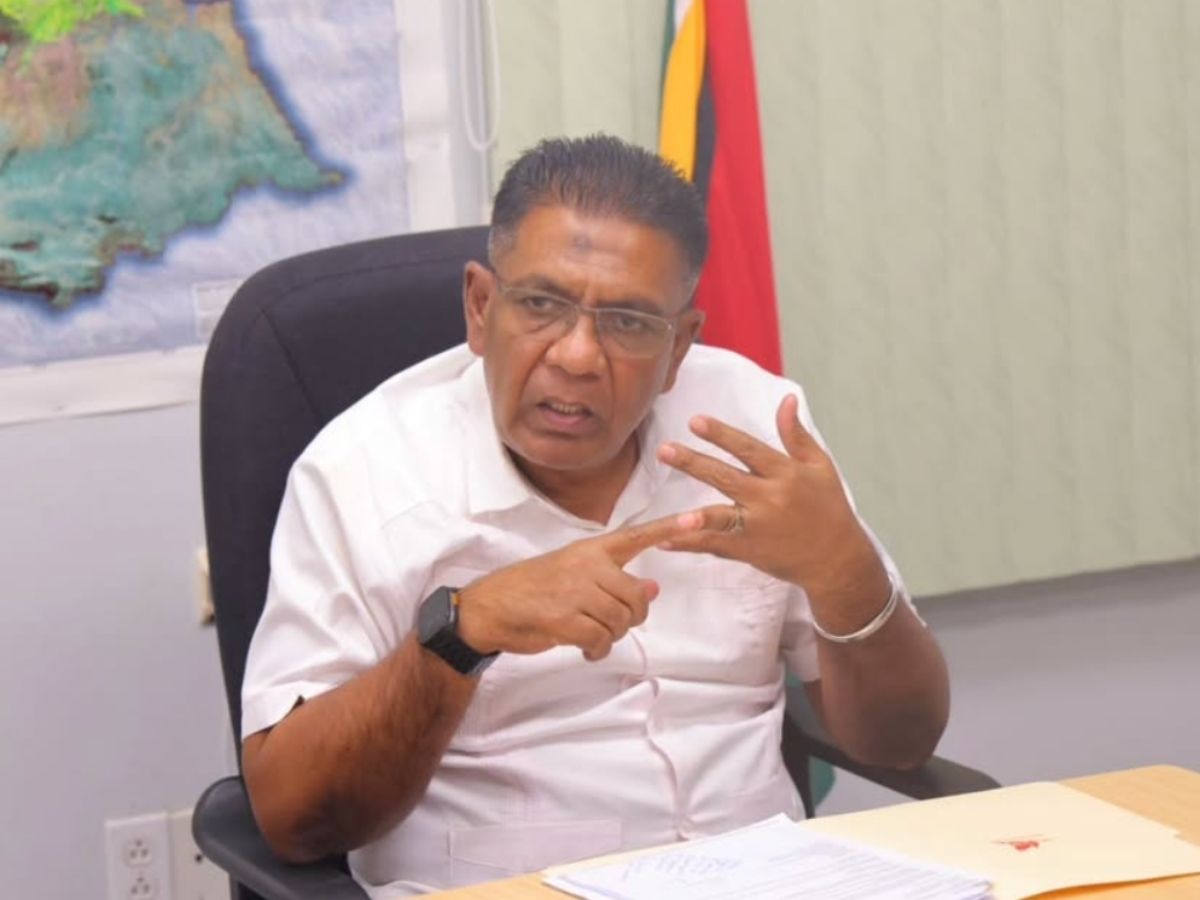

Leaders from Guyana and Trinidad and Tobago are set to hold high-level talks with US President Donald Trump on 7th March 2026 in Miami, Florida, underlining the intensifying diplomatic engagement between the United States and the Caribbean Community (CARICOM) amid shifting geopolitical landscapes. This anticipated meeting comes as Caribbean nations navigate complex regional and global challenges, from security and economic cooperation to strain over US policies in the hemisphere.
The discussions are expected to build on engagements that began during the 50th Regular Meeting of the Conference of Heads of Government of CARICOM in St Kitts and Nevis late in February, where regional leaders and US Secretary of State Marco Rubio addressed bilateral cooperation on security, economic development, migration and trade.
Strengthening Bilateral Ties with the United States
The foreign visits signal an elevation of bilateral relations between Washington and key Caribbean partners. Both President Irfaan Ali of Guyana and Prime Minister Kamla Persad-Bissessar of Trinidad and Tobago have been active in shaping their countries’ foreign policy in recent months, including through one-on-one discussions with US officials on the margins of the CARICOM summit.
During the summit, CARICOM leaders agreed to establish a three-member working team to negotiate a broader structured cooperation framework with the United States, reflecting a willingness to engage Washington on issues central to the region’s development and security. Dr Terrance Drew, Prime Minister of St Kitts and Nevis and CARICOM chair, stressed that differing national diplomatic approaches do not reflect disunity, but can “enrich” regional engagement when strategically coordinated.
Guyanese officials see the upcoming meeting with Trump as an opportunity to consolidate cooperation on energy security and economic growth, drawing on Guyana’s recent transformation through its oil and gas sector. President Ali has emphasised Guyana’s emergence as a potential energy supplier for the broader Caribbean, particularly in liquefied petroleum gas (LPG) and liquefied natural gas (LNG), which could help reduce dependency on imported fossil fuels across the region.
Trinidad and Tobago’s Strategic Engagement
For Trinidad and Tobago, the dialogue with Washington is shaped by multiple factors, including security cooperation, regional stability and shared interests in combating transnational crime. The Caribbean island state has taken a relatively aligned position with the United States on certain security measures, including support for US counter-narcotics operations in the region, a stance that contrasts with more cautious approaches from some CARICOM members.
Prime Minister Kamla Persad-Bissessar has publicly backed US military operations targeting alleged drug trafficking networks, citing direct benefits to Trinidad and Tobago’s internal security landscape. She has credited such cooperation with contributing to declines in criminal violence, though this position has been controversial among other Caribbean governments and civil society groups.
Regional Context: United States Policy and Caribbean Concerns
The broader Caribbean remains wary of uneven engagement by Washington, even as formal cooperation frameworks are pursued. Many CARICOM members expressed concerns over US policies on immigration, Cuba, and economic pressure during the recent summit in St Kitts and Nevis. While humanitarian aid to Cuba was pledged, the bloc could not agree on a unified political stance toward US policy shifts, reflecting underlying tensions within CARICOM.
Guyana itself issued statements on the escalating conflict in the Middle East, where the United States and Israel have taken military action against Iran urging diplomatic engagement and de-escalation to prevent broader instability. These positions highlight Caribbean states’ desire for balanced foreign relations that safeguard sovereignty and regional peace.
What’s at Stake in the Trump Meetings
Caribbean governments are seeking expanded market access, investment partnerships, and economic support from the United States to benefit their evolving export sectors. A growing focus is energy security, with Guyana's emerging role in LPG and LNG production poised to influence regional energy dynamics, aligning with Washington's interest in enhancing hemispheric energy resilience. Furthermore, co-operation on law enforcement and shared intelligence remains a high priority given ongoing concerns about transnational crime and maritime security. The upcoming meetings are expected to clarify the United States’ resource commitments and expectations in support of Caribbean security objectives.
Migration and diaspora relations are sensitive topics that Caribbean leaders are expected to raise, reflecting ongoing domestic pressures. These discussions will cover policy on immigration, visa access, and the treatment of Caribbean nationals in US deportation practices.
Implications for Guyana and the Wider Caribbean
Closer engagement with the United States under President Trump’s administration is a double-edged sword for many Caribbean states. On one hand, strengthened ties can bring trade and security benefits, and deepen investment in strategic sectors such as energy and infrastructure. On the other, there is a growing caution among some regional governments about aligning too closely with US foreign policy agendas that may not always reflect Caribbean priorities.
Guyana’s role in negotiating with Washington could strengthen its regional leadership profile, particularly as it seeks to advance economic diversification and energy security. Meanwhile, Trinidad and Tobago’s sharper alignment on security matters positions it as a key interlocutor in US-Caribbean relations, even as it navigates domestic and regional opinion.
As these high-level meetings approach in March 2026, all eyes in the region will be on how bilateral ties evolve amid complex geopolitical currents, and how Caribbean nations balance sovereignty, cooperation and strategic interests in their dealings with one of the world’s most powerful states.

.jpg)