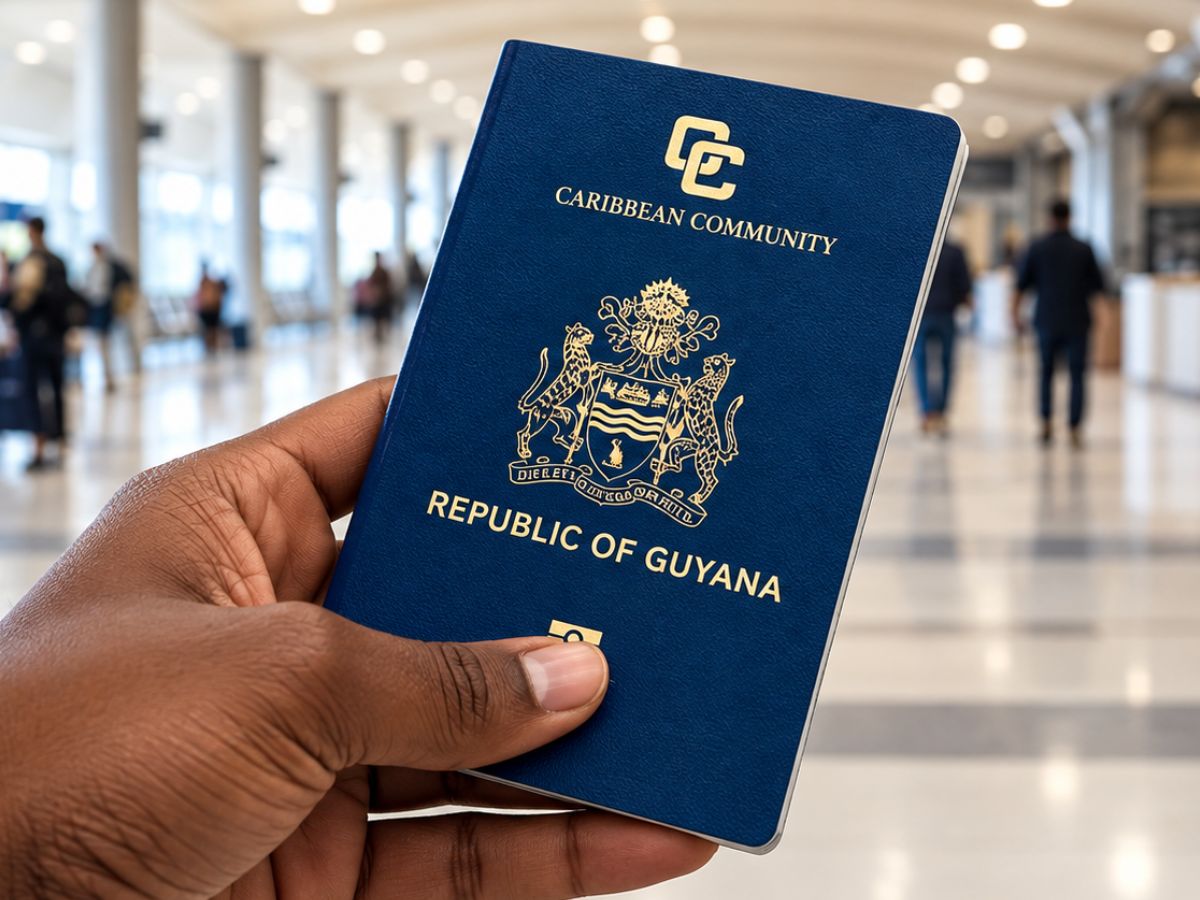
Guyana issued more than 55,000 electronic passports in the first six months of 2026, according to the government's mid-year report, a figure that underscores the pace at which the country is rebuilding its border-management and identity infrastructure. The report states that more than 55,000 e-passports were issued between January and June, as the government continues efforts to modernise the country's identity and border-management systems. The scale of the rollout places passport modernisation alongside a wider set of measures aimed at tightening security controls and improving the efficiency of public administration.
The figures form part of a broader digital transformation drive that has gathered momentum through the year. Officials have framed the push not as an isolated upgrade to travel documents but as one strand of a longer campaign to bring government services online and, eventually, closer to citizens outside the capital.
A central plank of that effort arrived in June, with the launch of an online passport application and appointment system. The system had recorded more than 500 users since becoming operational, and is intended to make the application process more convenient by allowing members of the public to initiate and manage passport-related services online. The numbers are modest so far, reflecting the system's newness rather than any lack of appetite, but they mark a departure from a process that had long required in-person visits and, for many applicants, a journey to Georgetown.
That journey has been one of the more persistent frustrations of Guyana's public administration. For decades, citizens outside the capital seeking a passport, a tax matter or a registry document had few options beyond travelling to the city, often at considerable cost in time and money for those living in rural regions. The government's response has been to extend a network of Integrated Service Centres designed to bring several services under one roof.
Centres are already functioning in Leonora, Anna Regina, Fort Wellington and Port Mourant, offering passport, e-ID, tax and registry functions in a single location. The Fort Wellington centre alone recorded more than 15,000 transactions in its first three months of operation, according to President Irfaan Ali. Further centres are planned for Santa Rosa in Moruca, along with additional sites in Regions Seven, Nine and Ten, as the government works towards its stated target of having the network substantially built out by the end of 2026. Officials have said the expansion is intended to ensure that essential administrative services reach populations that have historically been furthest from them, particularly in the country's interior and border regions.
The e-passport programme sits within an even wider initiative: the national electronic identification system, which began enrolling citizens in 2025 and has since expanded sharply. Registration stood at just over 4,700 people at the start of the year, but by August had grown to more than 36,500, with the Data Protection Commissioner, Aneal Giddings, saying the scheme remained on course to reach 200,000 enrolments by the end of 2026. The e-ID card, produced under contract by the German firm Veridos, is built to international biometric standards and is intended to give each holder a single identifier usable across government agencies.
The system has already produced tangible results beyond domestic administration. From July, Guyana and Barbados began allowing approved travellers to cross between the two countries using only their national e-ID card, without a passport, an arrangement the two governments have said they intend to widen to other traveller categories and, potentially, other Caribbean states.
Taken together, the e-passport figures, the service centre expansion and the e-ID rollout describe a government pursuing digital modernisation on several fronts simultaneously rather than through a single flagship project. Whether the pace can be sustained, particularly as enrollment targets climb into the hundreds of thousands and infrastructure spreads into more remote regions, will become clearer as the year's remaining months unfold. For now, the mid-year figures suggest a state apparatus moving with more urgency than its citizens have typically come to expect.