The Caribbean Community (CARICOM) has struggled to present a united front on the escalating situation in Cuba, as member states grapple with divergent views on sovereignty, humanitarian need and US intervention. At the recent 50th Regular Meeting of CARICOM Heads of Government in St Kitts and Nevis from 24–27 February 2026, leaders found themselves unable to agree on a collective diplomatic stance in the face of mounting regional tensions involving Havana and Washington.
The divisions emerged against a backdrop of intense geopolitical strain. Cuba is facing a deepening humanitarian and energy crisis as US policies, oil supply disruptions and economic pressure have compounded longstanding social and economic challenges.
CARICOM Summit Highlights: Unity Sought, Division Exposed
CARICOM’s recent summit aimed to strengthen cooperation on economic and security matters, with discussions extending to relations with the United States. While heads of government expressed a desire to work with Washington on issues including security, migration, trade and investment, the bloc was noticeably cautious on how to address the escalating crisis in Cuba.
St Kitts and Nevis Prime Minister and CARICOM chair Dr Terrance Drew emphasised that CARICOM must act in ways that preserve regional stability and support the Cuban people without adopting a single foreign policy for all states.
While humanitarian aid commitments for Cuba were made, including pledges of support within a month, leaders were careful not to conflate that response with a unified position on US intervention or political sovereignty issues.
Divergent National Positions
The inability to reach consensus reflects broader disagreement among CARICOM members over Cuba and US policy. Some governments, like Jamaica, voiced strong concern about the humanitarian impact and called for a nuanced approach that addressed both people’s needs and political realities. Jamaican Prime Minister Dr Andrew Holness urged the region to support humanitarian relief efforts and safeguard economic and security interests across the Caribbean, warning that ongoing instability “will affect migration, security and economic stability across the Caribbean basin.”
At the same time, other leaders took markedly different positions. Trinidad and Tobago’s Prime Minister Kamla Persad-Bissessar, an advocate of closer cooperation with the United States highlighted domestic concerns about organised crime and supported the US approach to security in the region, particularly regarding threats emanating from Venezuela. This stance made it harder to formulate a common CARICOM statement that Squarely criticised US actions.
Analysts suggest that these contrasting approaches, ranging from emphasis on humanitarian solidarity with Cuba to prioritising security cooperation with Washington, illustrates the challenges CARICOM faces in crafting unified foreign policy positions on contentious geopolitical matters.
The Complex Cuban Context
Cuba’s situation has become increasingly fraught. An economic and fuel crisis has intensified after oil supplies from key partners such as Venezuela were disrupted amid wider geopolitical manoeuvres involving the United States and its regional allies. Havana’s foreign ministry reported a deadly maritime incident in late February involving a Florida-registered speedboat, an event that has added to tensions between the US and Cuba and complicated regional diplomacy. Cuban authorities claim the vessel carried armed nationals, while Washington has called for a thorough investigation of the incident.
This incident occurred at a particularly sensitive moment for CARICOM diplomacy and has been seized on by some as emblematic of the escalating security and humanitarian stresses affecting Cuba and the wider Caribbean.
The situation has also catalysed civil society and international initiatives aimed at alleviating Cuba’s humanitarian plight. Movements such as the planned Nuestra América Convoy, a multinational effort to deliver aid to Cuba in March 2026 which highlight global solidarity efforts independent of CARICOM’s political divisions.
Regional Geopolitics and US Influence
CARICOM’s efforts to engage with Washington reached a significant milestone at the summit when leaders agreed to establish a three-member working team to negotiate a structured cooperation framework with the United States. The intention is to build a comprehensive cooperation arrangement that updates, and potentially expands, the region’s engagement beyond existing agreements such as the Caribbean Basin Initiative.
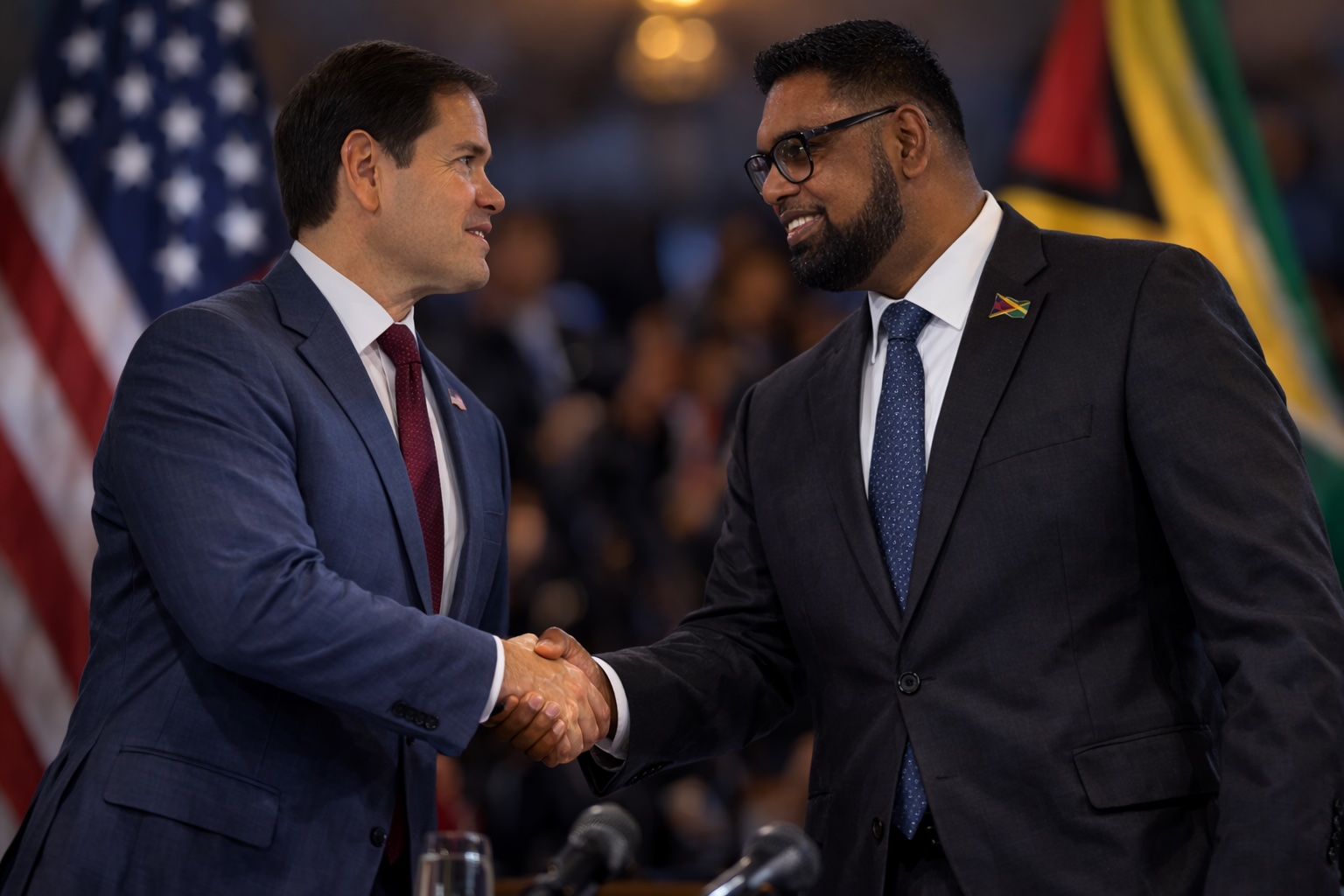
While this move demonstrates a willingness to sustain constructive US–Caribbean dialogue, it also emphasises the pragmatic dimension of smaller states balancing sovereignty with strategic partnerships. Leaders argued that diverse bilateral relationships with the US, for example, separate meetings scheduled between Washington and individual CARICOM members such as Trinidad and Tobago and Guyana, can enrich regional engagement when coordinated effectively.
Unity Test Ahead
CARICOM’s ability to craft a coherent regional foreign policy will continue to be tested as geopolitical tensions in the Americas intensify. With humanitarian needs mounting in Cuba, rising diplomatic friction with the United States and ongoing security pressures across the Caribbean basin, the organisation will be under pressure to evolve its mechanisms for consensus building.
As the region grapples with these challenges, the debate over Cuba highlights both the obstacles and imperatives of Caribbean unity, particularly in an era marked by shifting global power dynamics, domestic priorities and the enduring legacy of external influence in the hemisphere.

.jpg)