A symposium on aviation safety opened in Georgetown on Thursday with a call for Caribbean governments to work together on oversight, regulation and technical training. The Caribbean High-Level Symposium on Aviation Safety is being held at the Arthur Chung Conference Centre. It was convened by the CARICOM Secretariat with the International Civil Aviation Organization (ICAO), and organisers say its purpose is to move from discussion to concrete action.
Delegates have come from CARICOM member states, regional institutions and international partners. The event is held under the theme "Strengthening Caribbean Aviation through Regional Cooperation, Resilient Oversight and Sustainable Capacity Development". It aims to identify practical measures on safety oversight, cooperation, capacity development and financing.
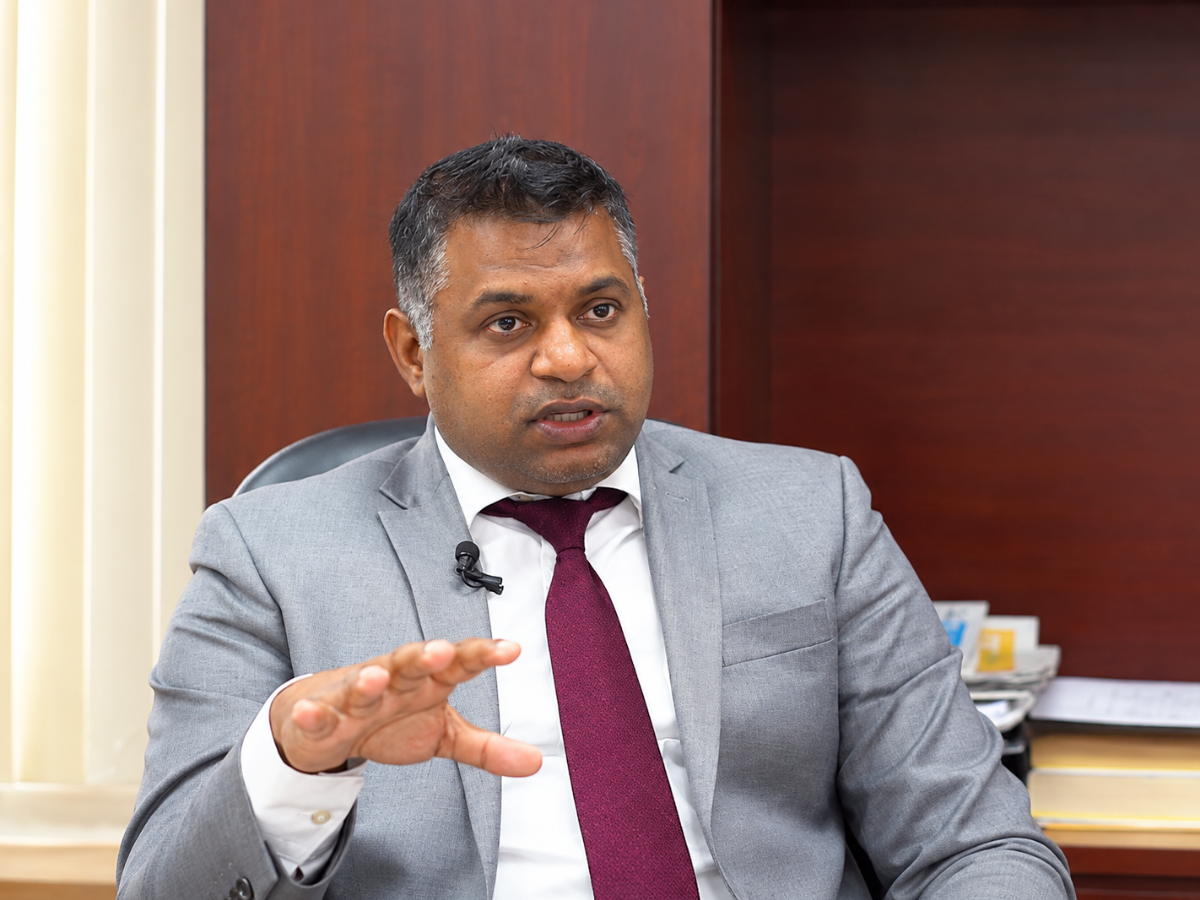
Deodat Indar, Guyana's Minister of Public Utilities and Aviation, addressed the opening session. He said Caribbean countries cannot deal with the problems facing the sector on their own. "No country can meet these challenges alone," he said. In his view, the region's aviation future depends on whether governments can work across borders, strengthen their institutions and develop the expertise to keep pace with a changing industry.
Mr Indar described aviation as a necessity for the region. It links island and mainland communities, supports tourism and trade, and allows families to stay in contact. He also pointed to its role during hurricanes, floods and other natural disasters, when reliable air transport is needed to deliver essential services.
The minister acknowledged that aviation authorities across the Caribbean are under pressure. He cited a limited number of technical staff, constraints on funding and a shortage of specialist expertise. Differences in regulations and procedures between countries, he said, can slow regional integration. Authorities must also respond to new aircraft technology, digital systems, artificial intelligence and emerging security risks. Climate events and natural disasters add to the strain on airports and aviation infrastructure, and test how well the region's systems cope.
These are Mr Indar's own assessments, and the symposium has not yet published figures to support them.
The agenda covers several items. Delegates are expected to discuss the Caribbean Aviation Safety and Security Oversight System (CASSOS) Roadmap and Action Matrix to 2035. They will also consider the financial sustainability of civil aviation authorities, the harmonisation of regulations and air transport services within CARICOM. Further talks are planned on a single Caribbean air transport market under the CARICOM Multilateral Air Services Agreement (MASA). Participants will examine the technical support, financing and operational conditions needed to strengthen safety across the region.
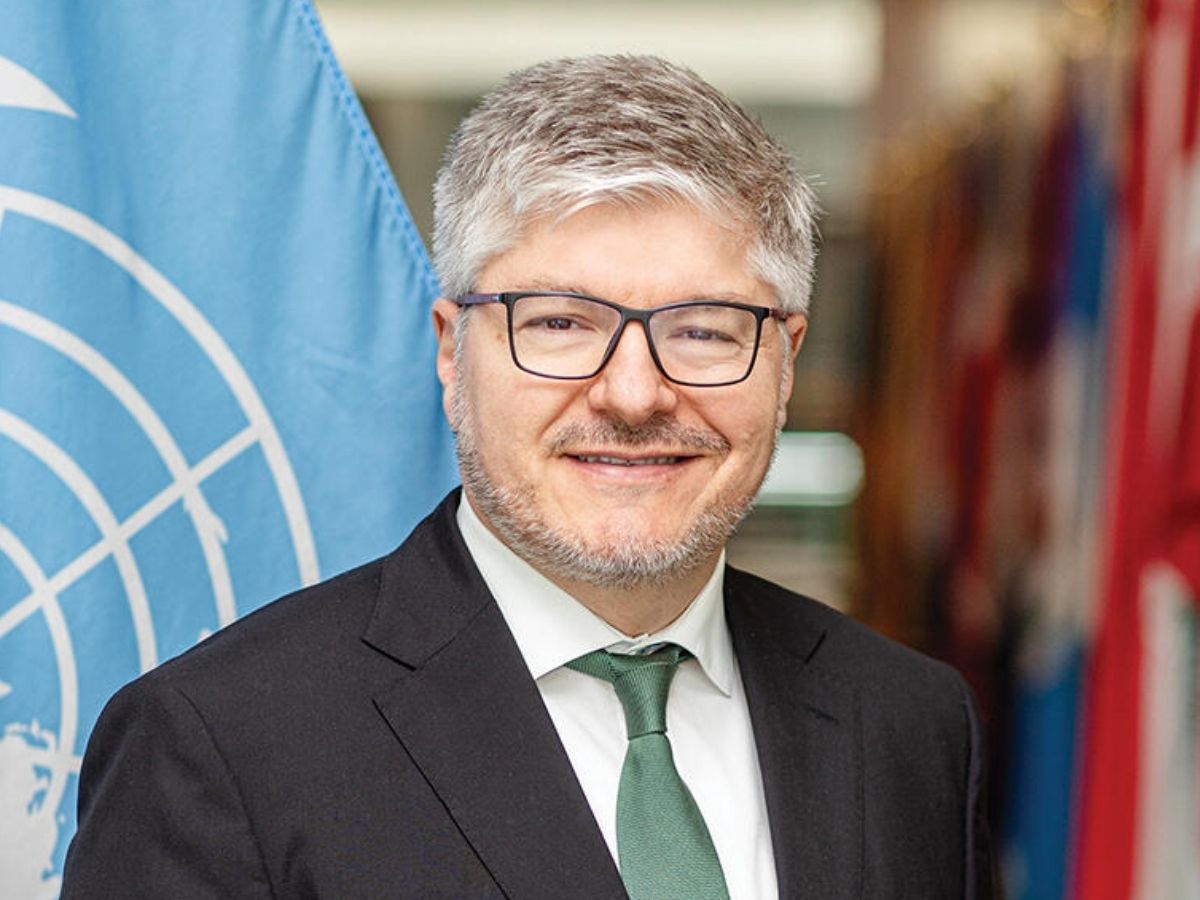
Luis Fernando Fiallos, Regional Director of the ICAO South American Regional Office, also spoke. He described aviation as an economic and social link that is central to Caribbean development, and said it should be seen as more than a convenience.
Several points remain unclear. Organisers have not said whether the symposium will produce binding commitments or funding pledges, nor how many days it will run. The list of attending member states and the seniority of their representatives was not given. There was no detail on how far national aviation rules currently differ, or on what progress has been made so far toward a single air transport market under MASA.
Discussions on the roadmap, financing and regulatory alignment will continue through the remainder of the symposium. Organisers say they want the sessions to end with practical outcomes rather than statements of intent alone.