.jpg)
The Caribbean Disaster Emergency Management Agency (CDEMA) has launched the 14th Caribbean Conference on Comprehensive Disaster Management, scheduled to run from 7 to 12 December. The conference, convened in Georgetown, has drawn regional heads of government, development financiers, and technical agencies around a single proposition: that managing climate risk can no longer sit at the periphery of national policy.
The gathering comes as Caribbean nations face an increasingly complex threat environment. Climate volatility sits alongside economic instability, infrastructure deterioration, public health pressures, and supply chain fragility. For small island and low-lying coastal states, these risks do not arrive in sequence. They compound, and when they do, the damage frequently erodes years of economic progress within days.
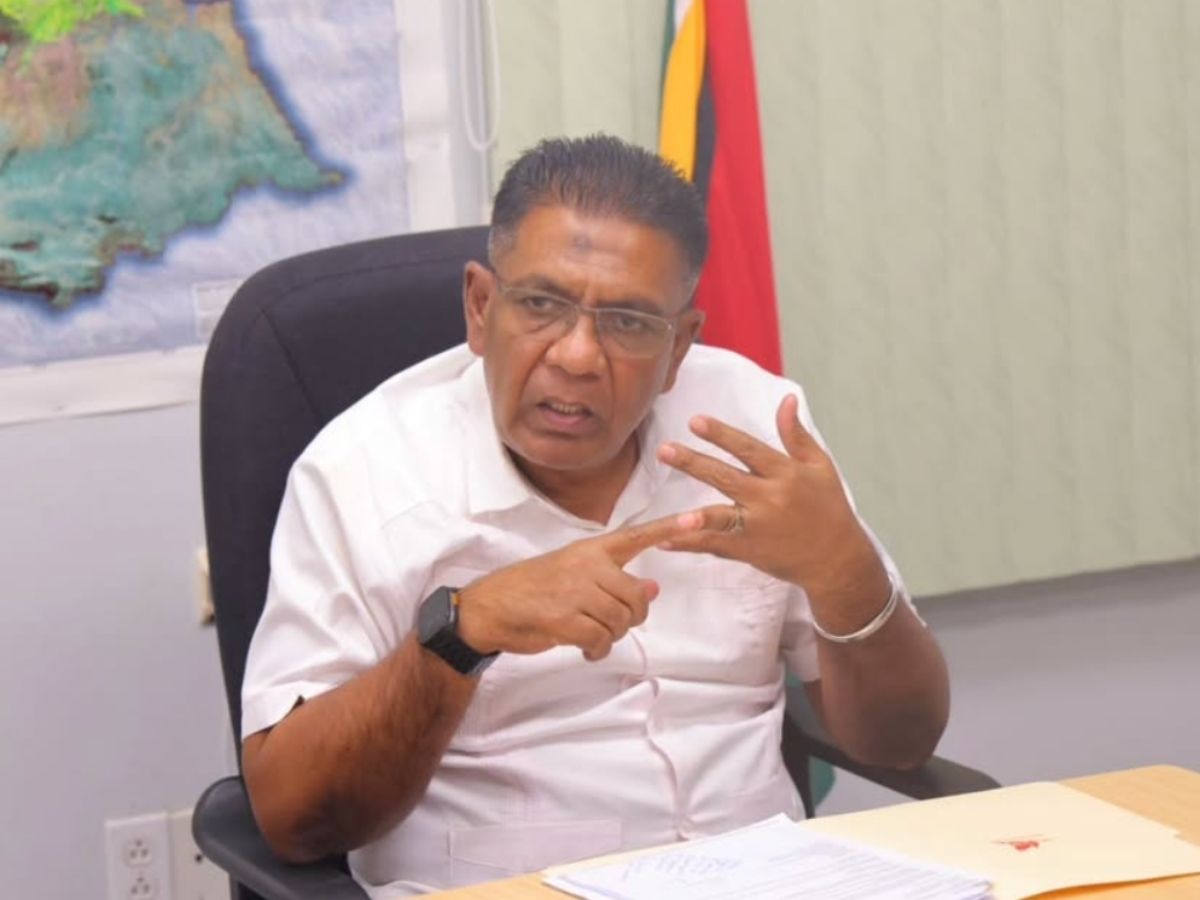
Guyana's Prime Minister, Mark Phillips, set the tone in his address to delegates, arguing that post-event disaster response is no longer a viable model for regional governance. The phrase he used, "governing at the speed of risk," captured the central argument of the opening session: that governments must narrow the gap between when a threat emerges and when action is taken. That means investing in protective infrastructure before disasters occur, shortening decision-making cycles, and building institutional capacity that does not need to be assembled under pressure.
The economic case for this approach is direct. When a major storm disables a port or collapses a power grid, the consequences extend well beyond the immediate humanitarian situation. Shipping schedules are disrupted, supply chains reroute, and international investors recalibrate their assessment of a country's operational reliability. For nations competing to attract foreign capital and sustain tourism revenues, the ability to maintain functional infrastructure through a crisis is not incidental. It is a condition of competitiveness.
Delegates were also presented with data showing that the cost of inaction consistently exceeds the cost of preparedness. The pattern across recent disaster cycles in the Caribbean has been consistent: underinvestment before an event produces disproportionately higher reconstruction costs after it. Preventative spending, by contrast, reduces both economic losses and the human toll.
Technology is shifting what is possible on this front. Conference sessions highlighted the integration of satellite forecasting systems and artificial intelligence-driven risk modelling into national preparedness planning. These tools allow for earlier and more precise threat identification, giving governments a longer window to act and potentially reducing the scale of required emergency response.
Guyana's own position at this conference carries particular weight. The country is undergoing rapid economic expansion, driven in large part by its growing energy sector. Yet the majority of its population and productive economic assets are concentrated along a coastline that sits below sea level in several areas and depends on an ageing system of sea defences. The government's argument is that these two realities cannot be treated separately. Sustained economic growth, it contends, is not achievable without simultaneous investment in the infrastructure and systems that protect it.
On financing, there was broad acknowledgement that no individual Caribbean state can meet the full cost of climate resilience from its own fiscal resources. The conference has placed particular emphasis on prearranged financial mechanisms, including regional risk pooling arrangements that allow funds to be deployed immediately after a disaster without waiting for donor pledges or parliamentary approval cycles. The Caribbean Catastrophe Risk Insurance Facility (CCRIF-SPC) and the Caribbean Development Bank (CDB) have both been identified as central to this architecture. There was also pressure from several delegations for greater private sector participation, on the basis that business continuity and national resilience are aligned interests.
CDEMA's broader strategic framework extends to 2030 and covers a range of sectors that have historically received less attention in disaster planning: agriculture, education, health, energy, and water systems. The rationale is that resilience built only around emergency response infrastructure leaves significant gaps when a crisis unfolds across multiple systems simultaneously.
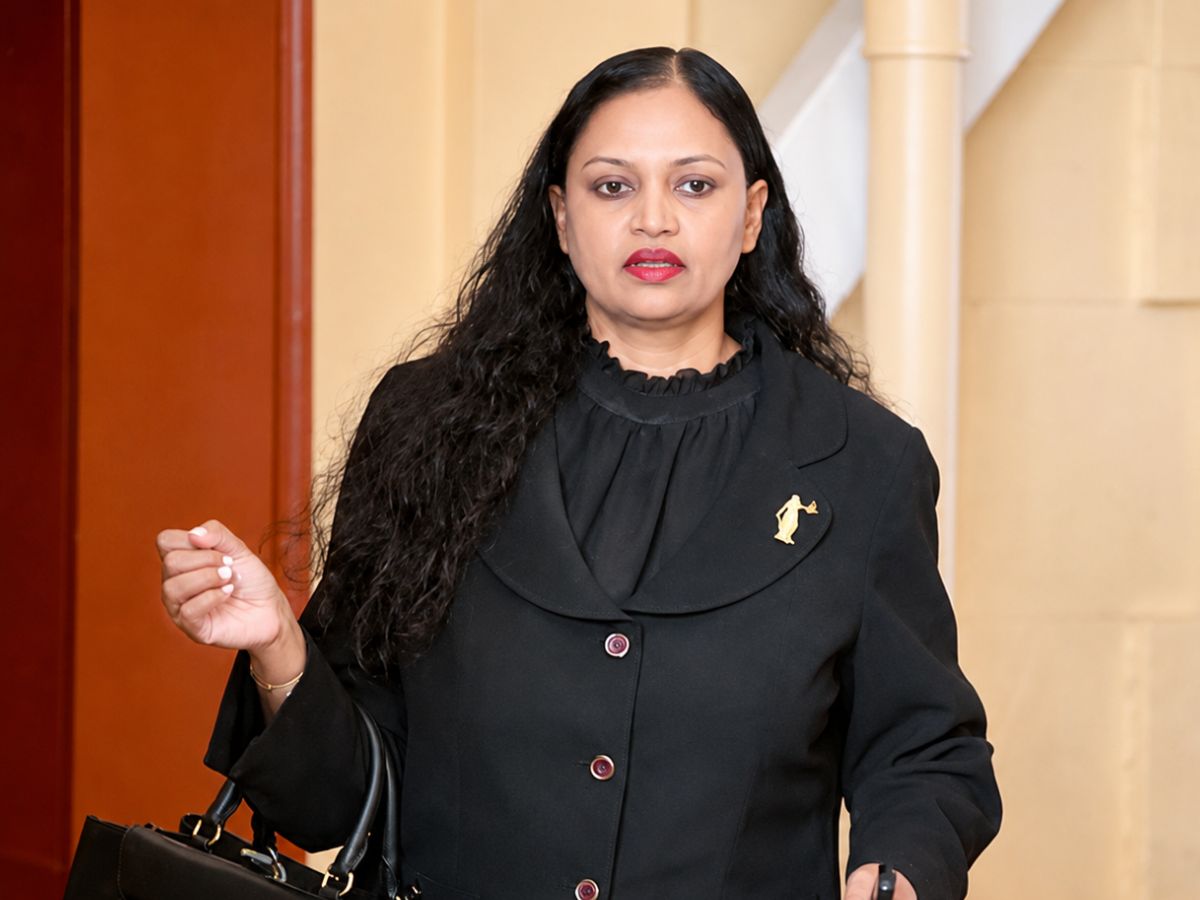
CDEMA Executive Director Elizabeth Riley addressed this directly, stating that the technical sophistication of resilience systems must ultimately be measured by what they deliver at the level of individual lives. The purpose, she said, is to protect livelihoods, maintain essential services, and ensure that communities are not set back a generation by a single event. That, in her framing, is what resilience is for.

.jpg)