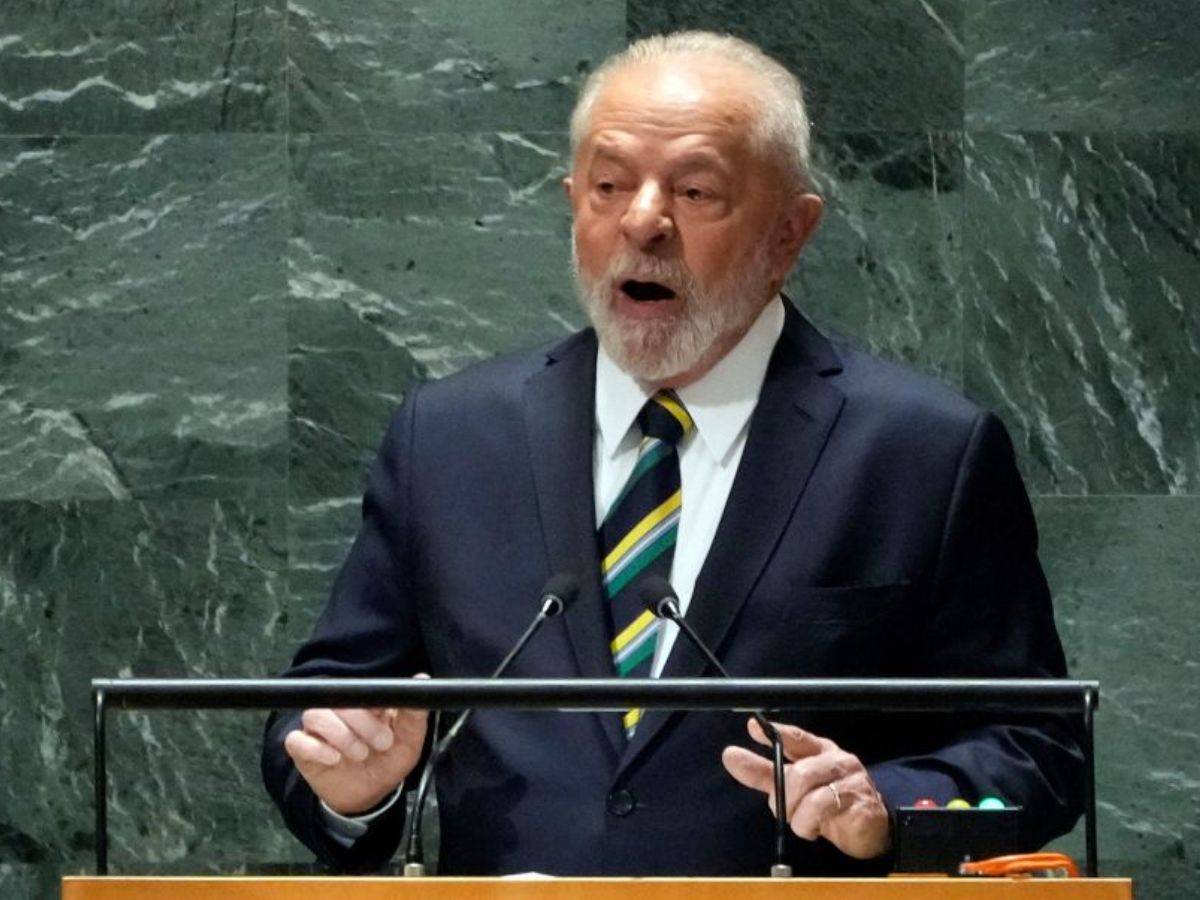
Brazil's president, Luiz Inacio Lula da Silva, signed a provisional order on Friday that bans all sports betting and online casinos, just over a week before the first round of the presidential election. Lula, who is 80 and seeking a fourth term, faces Flavio Bolsonaro, the son of the imprisoned former president Jair Bolsonaro. Recent polls put the two candidates almost level.
Under the order, new deposits into online betting accounts are barred. Customers and bookmakers have until 5 October to withdraw existing funds. The measure must receive approval from Congress within 120 days to stay in force. Lula also signed a separate bill creating criminal offences linked to fixed-odds betting, the most common form of online sports wagering.
Online betting became legal in Brazil in 2018 and has since been blamed for household income losses linked to addiction. Most other forms of gambling, including casinos and slot machines, remain illegal. A survey by Atlas and Bloomberg published this week found that 59.9% of Brazilian adults support a ban on internet betting.
Lula described the industry as a "cancer" and said it must either be removed or it would kill the country. He said he had spoken to families who had sold everything in their homes because of gambling addiction. In a statement on X, he said there were no restrictions to stop children and teenagers from betting online, and that companies would not be allowed to profit at the expense of families. Earlier this week he told the UN General Assembly that the industry was turning addiction into profit. Lula acknowledged that betting was allowed under the former president Michel Temer, but said it had grown without regulation under Jair Bolsonaro.
Flavio Bolsonaro rejected the move at a campaign rally in Rio de Janeiro on Friday. Reuters reported that he called it populist, hypocritical and politically motivated.
Football clubs said the ban would cost them money. Gremio, one of Brazil's twelve largest clubs, said before the announcement that betting firms had become one of the main sources of revenue for sport since legalisation. It said a change in the law would open the door to illegal betting and could deliver a fatal blow to Brazilian football, leaving many clubs insolvent. The broadcaster Globo reported that the leading clubs received 1.1bn reais (about £160m) from betting firms in 2025, while the industry as a whole took in 62.5bn reais.
The Brazilian Institute for Responsible Gaming, a trade body representing about 75% of the domestic betting sector, said a full ban on fixed-odds betting put the whole industry at risk, along with between 58bn and 73bn reais in revenue. It argued that a ban would not remove demand and that anyone turning to illegal operators would lose the protections available in the regulated market. The institute urged the government to tighten regulation instead of prohibiting online and fixed-odds betting altogether.
The order remains provisional until Congress votes on it. Its effect on the election, in which the two leading candidates are separated by a narrow margin, has yet to be seen.