Infra S.A., the Brazilian state-owned infrastructure company, has held talks with Guyana's embassy in Brazil about drawing up a logistics and infrastructure plan for Guyana. The plan could also cover links with Brazil and other South American countries. No agreement has been announced.
According to a report published on 5 October by BNamericas, which was translated from Portuguese, the meeting took place recently. The proposed work involves logistics planning, project structuring and coordination with funding sources. Infra S.A. would use its experience in planning Brazilian infrastructure to help Guyana identify needs, set priorities and turn them into structured projects. The plan would consider several modes of transport.
Elisabeth Braga, the company's director of administration and finance, said the work could become a new model for its operations abroad. She described it as an International Logistics and Transportation Plan, the first of its kind in the company's history, and said it would be connected to available financing. The report did not say which lenders or funds might be involved.
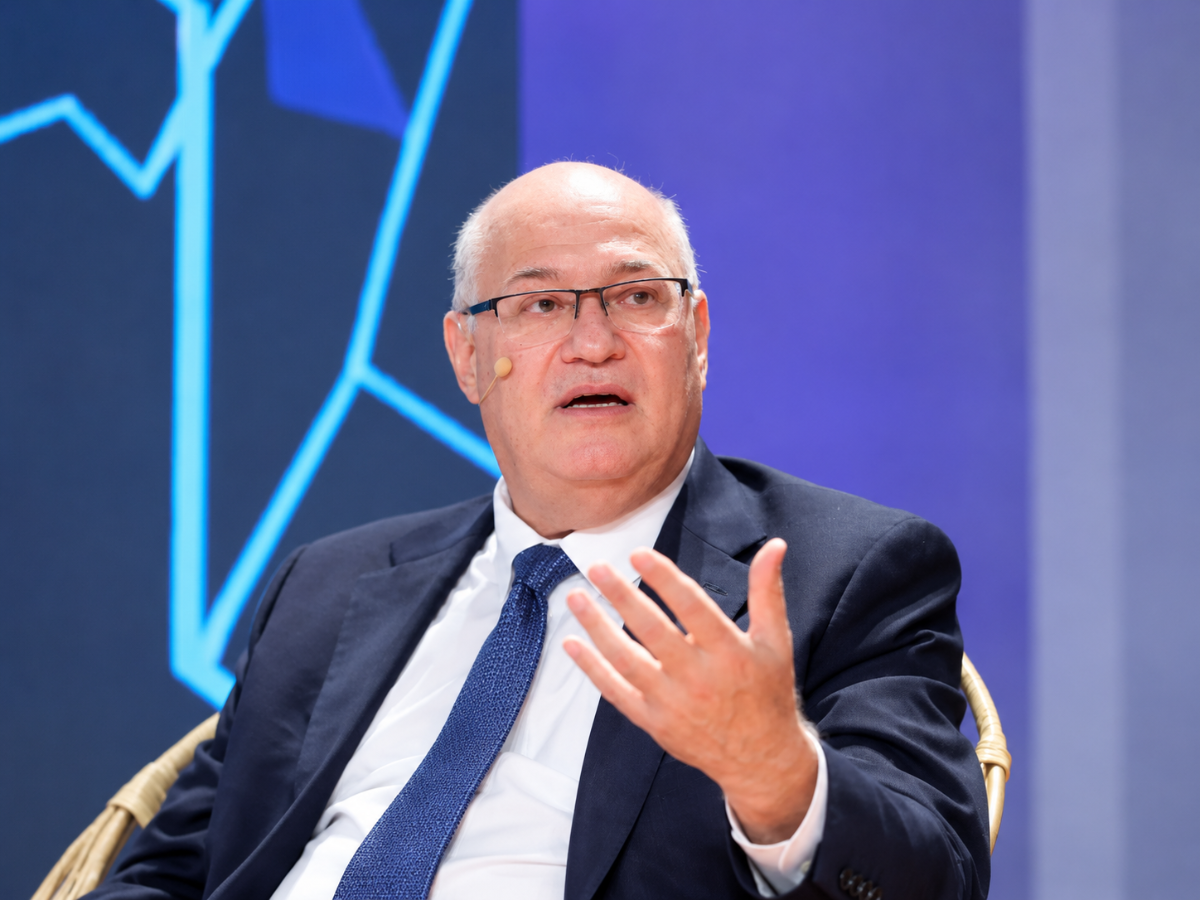
Jorge Bastos, the chief executive of Infra S.A., said he wants wider technical cooperation with South American countries and an integrated logistics plan for the region. He said his company is able to develop it and is already in talks with Itamaraty, Brazil's Ministry of Foreign Affairs, which he expects to act as the institutional link driving the integration.
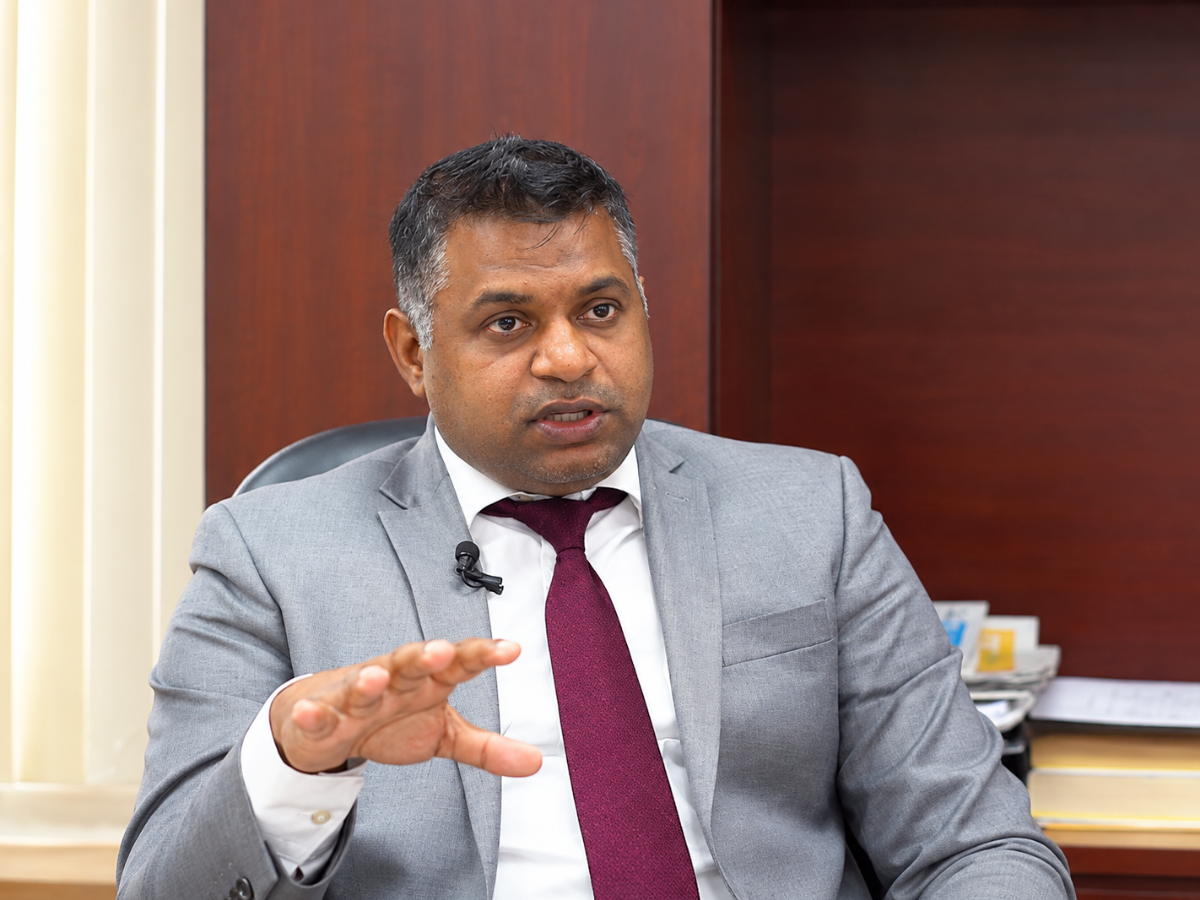
Compton Bourne, Guyana's ambassador to Brazil, said rapid growth from oil production has created unprecedented demand for better logistics and connectivity with Brazil. He described Guyana as a new oil producer growing at an extremely fast pace and looking to use oil revenue to address major public infrastructure challenges.
The timing reflects developments in the wider region. Guyana is further advanced in oil production than its neighbours. On the Brazilian side, Petrobras, the state-owned energy company, is optimistic that it can declare commercial the discoveries at the Morpho well in the Foz do Amazonas Basin in northern Brazil. The basin lies in an area that borders Guyana and other countries. The company's plans amount to a new frontier for Brazilian oil exploration and production.
That newness is itself a difficulty. Logistics is one of the main challenges for offshore work in a region where Brazilian activity is only starting. Roberto Fernaine, the Latin America director of Maersk Project Logistics, told BNamericas that the geology is similar along the coast from Venezuela through Guyana and Suriname to Amapá and Pará, which explains the interest in exploration. He called the logistical issue fundamental.
Mr Fernaine said offshore activity in the area is currently served mainly from Belém, in Pará, and that the city's infrastructure is already showing limits. Supplying offshore platforms requires food, equipment, parts and materials to be moved, and equipment to be replaced, which he said calls for a very robust logistics structure.
Much remains unreported. The article gave no figures for cost, no funding sources, no timetable and no specific projects. It did not say whether Guyana's government has formally agreed to the proposal, and the only Guyanese official quoted was the ambassador. Guyana's Ministry of Public Works, which would normally oversee transport projects, was not cited. Petrobras has not yet declared the Morpho discoveries commercial, so the demand that the plan is meant to serve is not confirmed.
Independent analysis would help readers judge the proposal. That includes assessments of Guyana's existing transport needs and of the environmental questions that come with expanding offshore oil activity. For now, the talks are at an early stage, and the plan exists as an intention rather than a commissioned project.