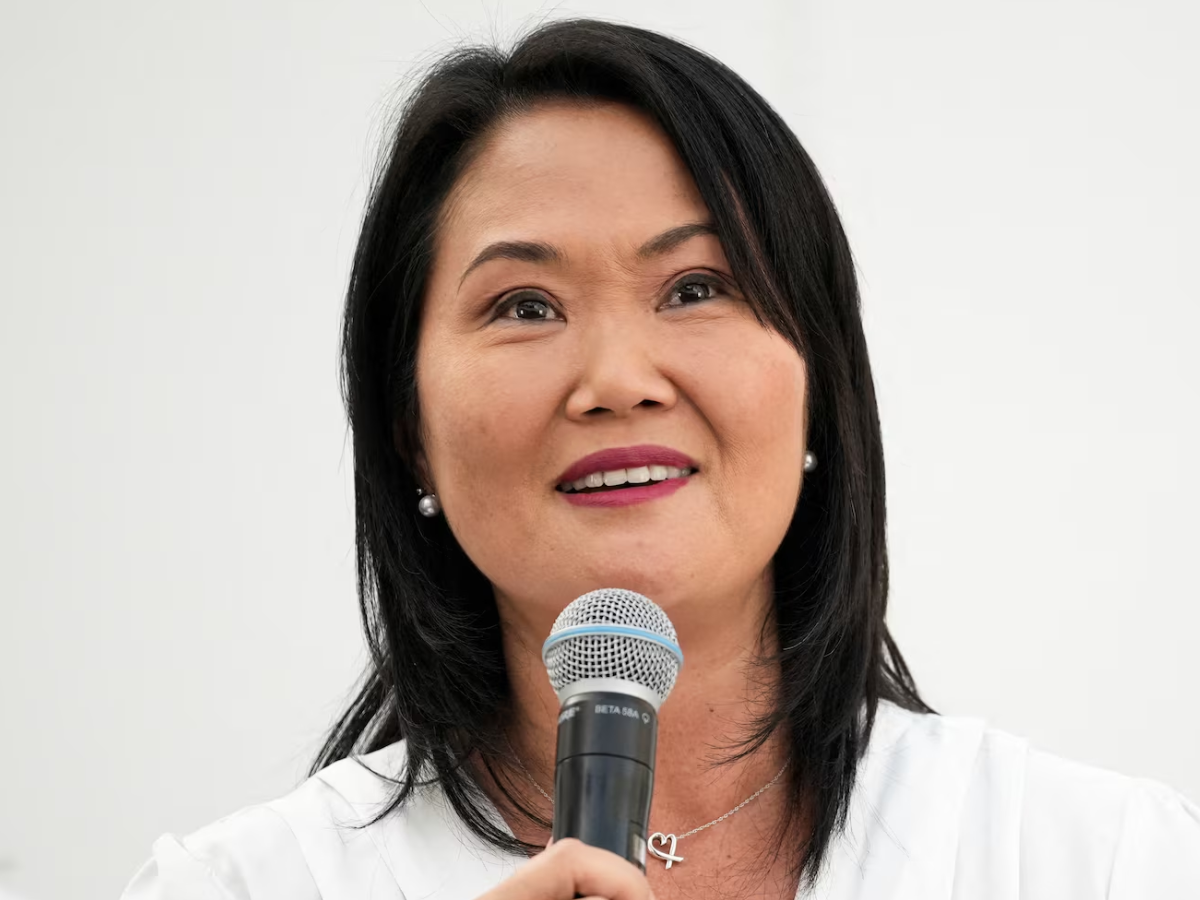
South America's political map is being redrawn. Across a region long associated with left-leaning governments, voters have begun turning towards conservative candidates who promise order, national renewal and a break from established parties. The clearest evidence came this week, when Peru's electoral authorities confirmed Keiko Fujimori as the country's next president, capping a runoff so close that the final margin amounted to roughly 50,000 votes out of millions cast.
Disillusionment with incumbent administrations runs through nearly every recent contest. Years of economic instability, rising crime and repeated corruption scandals have worn down public patience with governments that campaigned on redistribution and state intervention. In their place, electorates have opted for figures who speak plainly about security, sovereignty and economic discipline. Analysts have noted echoes of the campaign style associated with US President Donald Trump, particularly in the directness of the rhetoric and the appeal to voters who feel ignored by traditional political classes.
Three themes recur across these campaigns. Nationalist appeals to domestic industry and cultural identity have replaced talk of regional solidarity. Candidates have promised firmer control over borders and migration flows, responding to public anxiety about displacement linked to Venezuela's economic collapse. Above all, law and order has dominated the agenda. In Peru, extortion offences rose by roughly a thousand per cent between 2023 and 2025, according to figures cited during the campaign, with criminal gangs targeting schools and small businesses. Homicide rates climbed sharply over the same period. Security, rather than ideology, became the issue voters cared about most.
The tone of political communication has shifted alongside the policies. Candidates now favour blunt, confrontational messaging over the cautious language that once characterised mainstream campaigning. Rallies lean on personal narrative and grievance rather than technocratic detail, a style that has proved effective at mobilising voters who feel let down by career politicians.
Fujimori's victory illustrates the pattern precisely. This was her fourth attempt at the presidency, and her platform centred on restoring order after years in which Peru cycled through several presidents amid protests and political paralysis. She topped the first round comfortably before narrowly defeating Roberto Sánchez, a left-wing congressman aligned with the imprisoned former president Pedro Castillo, in the June runoff. Her support proved deeply uneven. She performed poorly in rural Andean regions still angered by the suppression of protests following Castillo's removal in 2022, yet she found enough backing elsewhere, including among overseas voters, to secure a mandate she herself has described in cautious terms. She is due to be sworn in on 28 July, Peru's independence day.
Bolivia offers a related, if distinct, example. Last August's election ended two decades of dominance by the Movement Towards Socialism party, whose internal divisions and economic mismanagement left it without a candidate in the runoff for the first time since 2006. Voters ultimately chose the centre-right senator Rodrigo Paz over the more hardline conservative Jorge Quiroga, favouring a gradual market-oriented programme over a sharper ideological break. The result nonetheless confirmed that Bolivia, like Peru, had grown weary of the political left's long grip on power.
Whether these elections represent a coordinated ideological front or a series of separate national reactions to shared pressures remains a matter for debate among regional observers. What is harder to dispute is the pattern itself. Governments that once relied on commodity-driven growth and redistributive politics are giving way to administrations promising fiscal restraint, tighter security and closer alignment with Washington.
The consequences will unfold gradually. A more market-friendly bloc could reshape trade relationships and open space for renewed cooperation with the United States on matters such as lithium and other critical minerals, an area where China has expanded its influence in recent years. Domestically, the durability of these new governments will depend on whether they can deliver the security and economic stability their campaigns promised, particularly in the rural and Indigenous communities where support for the right remains thin.


.jpg)